
Not sure if something is recyclable? You’re not alone. Putting an item in the recycling bin “just in case” might seem like the environmentally friendly thing to do, but this common habit has a name: wishcycling. Wishcycling happens when people place non-recyclable items in the recycling bin in the hope they can be recycled. While the intention may be good, wishcycling can create problems throughout the recycling process. Non-recyclable materials can contaminate otherwise recyclable items, while things like plastic bags, cords, and other “tanglers” can damage recycling equipment. In some cases, contamination can even cause entire loads of recyclable materials to be rejected.
When you are trying to dispose of something made of plastic, you may see a chasing arrows symbol (recycling logo) typically on the bottom of the item. The number inside the chasing arrows symbol does not automatically make it recyclable; it simply indicates the type of plastic material it is made of. It can be hard to know what to do with an item when you’re unsure, and tossing it in the recycling bin can seem like the better option than sending it to the landfill. But when materials that don’t belong end up in the recycling stream, they can create problems during the sorting process.
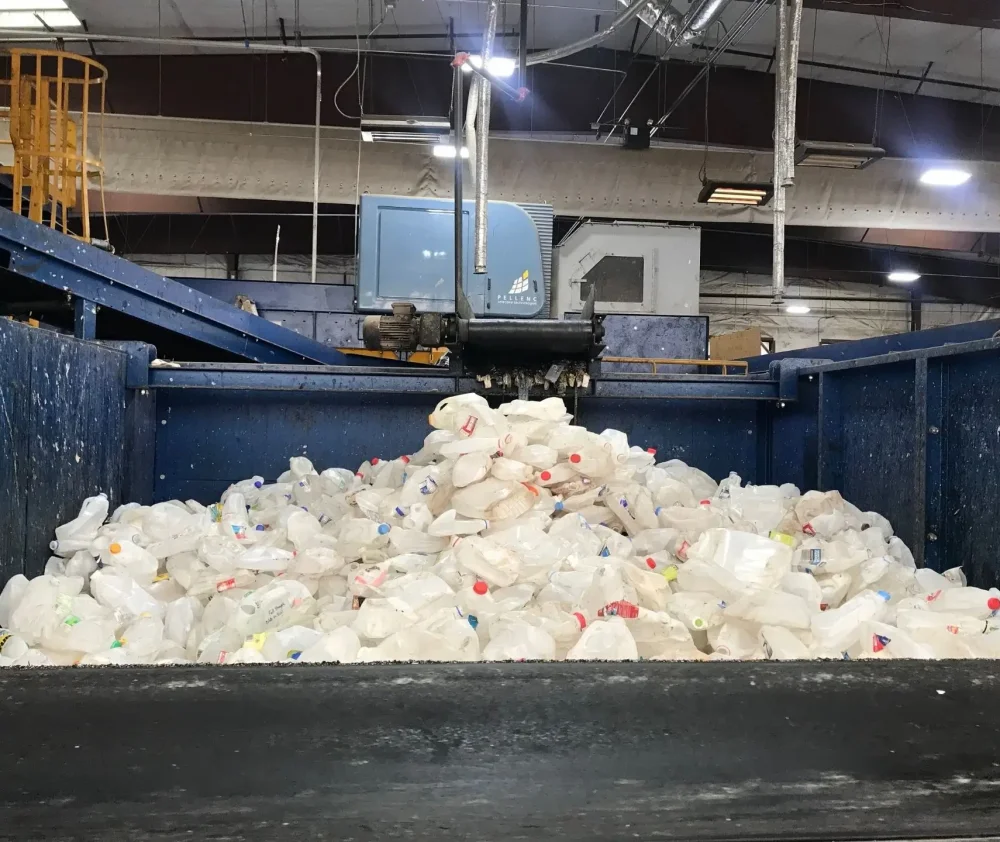
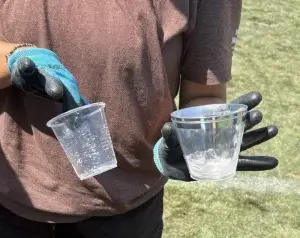
One reason wishcycling is so common is that recycling rules are not universal. Rules can vary from state to state and even from county to county depending on the recycling facilities and programs available in each area. An item accepted elsewhere may not be recyclable here in Eagle County, which is why checking local guidelines is so important. The Eagle County Materials Recovery Facility (MRF) accepts materials including glass bottles and jars, aluminum and steel cans, cardboard, office paper, magazines, and plastics. A general rule of thumb for plastics is bottles, tubs, and jugs. Think of your soda bottle, laundry detergent bottle, or plastic milk carton. Eagle County can accept these materials because they can be processed through the local recycling system and have an established market. However, some commonly wishcycled plastic items are to-go coffee cups, fast food cups, solo cups, and paper cups. Although these cups may be accepted by recycling programs in other communities, such as Denver, there is currently no market for recycling them in Eagle County.
Some items should never be placed in the regular recycling bin. Plastic bags are the number one contaminant at the Materials Recovery Facility. When plastic bags become tangled, they can cause large operational delays and can pose a risk to facility workers, who may not know what is inside the bag. Rather than bagging your recyclables, make sure to “set them free” so that they can be safely sorted. Other wishcycled items include styrofoam, children’s toys, and scrap metal.
In Eagle County, we are lucky enough to have a robust Household Hazardous Waste Facility, located at the Eagle County Landfill about two miles north of Wolcott off Highway 131. This facility accepts batteries, lightbulbs, cords, paints, car oil, electronics, you name it! Got a can of paint lying around that you no longer need? Drop it off at the Household Hazardous Facility; your donation may be exactly what someone else is looking for without the burden of a large price tag. This facility is open to the public 5 days a week from 8-5 pm; stop by and see what it’s all about.
So, what should you do when you’re unsure? Don’t guess, check first! The Walking Mountains Waste Wizard App makes it easy to find how to dispose of an item properly. Instead of trying to memorize every recycling rule, residents can search for an item to find out whether it should be recycled, composted, donated, or taken elsewhere. Using a resource like Waste Wizard takes some of the guessing out of recycling and makes it easier to decide where everyday items should go. Walking Mountains also offers Free Community Recycling Tours on a quarterly basis to learn about what goes where here in Eagle County.
While Eagle County residents can take steps to recycle correctly using local resources, Colorado is also working to make recycling more accessible and consistent statewide. Through the state’s Producer Responsibility Program, often referred to as Extended Producer Responsibility (EPR), companies that sell products using covered packaging and paper materials help fund a statewide recycling system. The goal of the program is to shift more of the cost of recycling away from residents and local governments while expanding access to convenient recycling throughout Colorado. The program is designed to make recycling more accessible and effective across Colorado by expanding recycling opportunities and helping reduce waste.
As Colorado works toward a more accessible and consistent recycling system, we can all do our part by making sure we’re recycling the right materials. When in doubt, don’t wishcycle. You don’t need to memorize every recycling rule; a quick search can help you make the right choice. By checking before tossing something in the bin, you can help reduce contamination, keep valuable materials in the recycling stream, and support Eagle County’s efforts to divert waste from the landfill and promote more sustainable practices.
Maya De Leede is a Sustainability Intern at Walking Mountains.