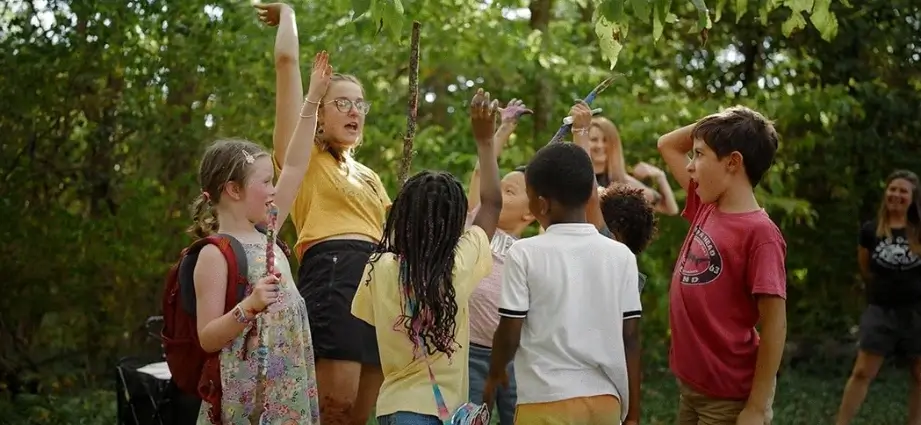

Students at Walking Mountains learn more than just science — they learn how to form relationships with nature and to learn in new places. Since educators have a responsibility to foster relationships with the land, we must also develop our own practices to learn from the place. Participating in Special Spots is one way that educators and students alike connect to the land and grow in their relationships with it. In Walking Mountains curricula, Special Spot means sitting quietly to reflect on nature, often with a writing or drawing prompt. But, for myself, Special Spot can look like any reflective interaction with a place — reflecting as a group, asking questions about a landscape, or playing with natural objects. Educators can strengthen our relationships with the land and share these practices with students by participating in our own reflective practices in places we visit repeatedly. Listed below are my favorite special spots to visit both on my own and with students:
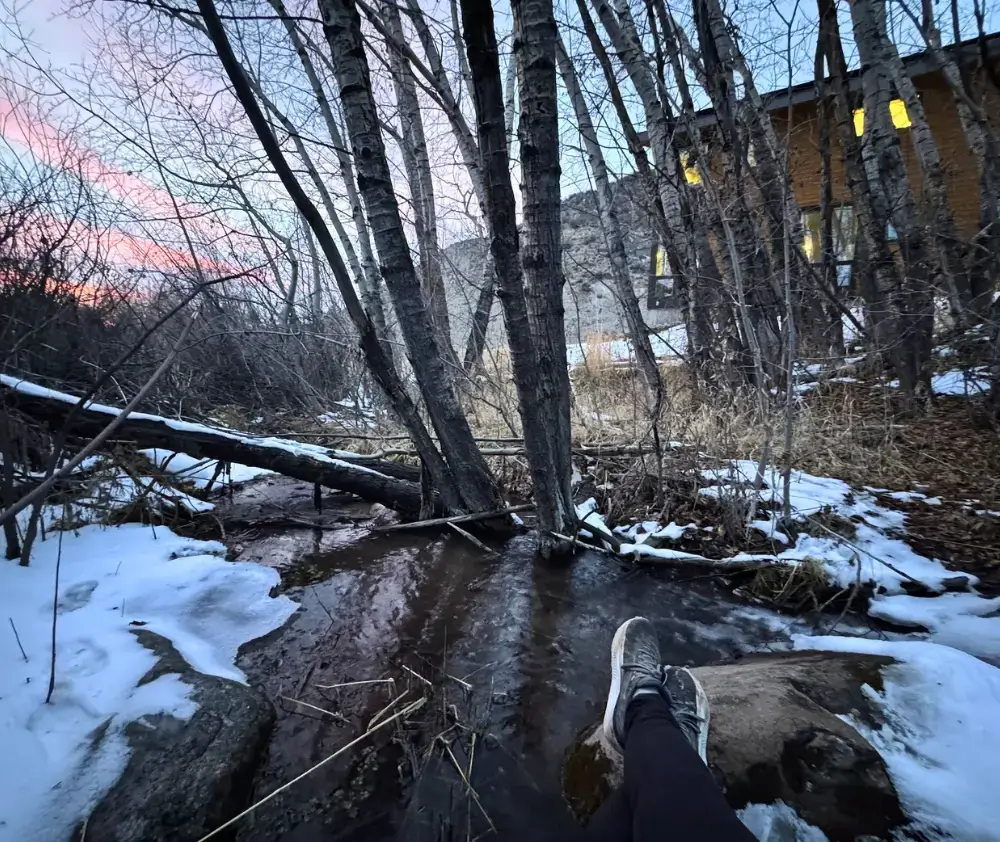
Buck Creek behind the Frechette Educator Community.
Buck Creek
Buck Creek flows through campus, and on a typical day, students can be found touching the water, building bridges out of sticks, or finding snail shells along the banks. The creek acts as a teacher, sharing lessons beyond what I can teach. Downstream, Buck Creek flows behind the Frechette Educator Community, where I have a Special Spot surrounded by rocks and Willows. Like my students, I touch the cold water and listen to the rushing sounds, which helps me to practice gratitude and sensory connection to nature.
Beaver Dam Rock
My Special Spot for connecting to a large rock in our “Beaver Dam Classroom” on campus. My students and I often sit on this rock together to look at the Aspen trees and hills around us while we draw or share ideas. This Special Spot brings us together, with each other and with our surroundings. Likewise, I visit this spot alone to feel connected to the world around me.
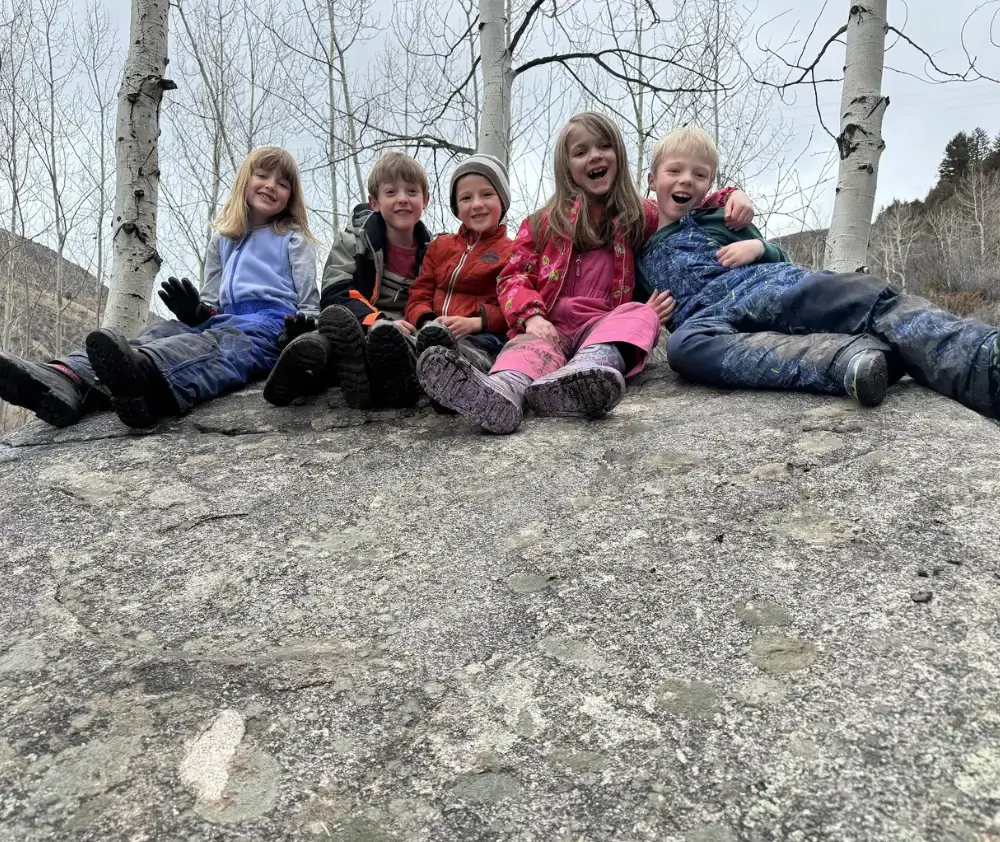
Students on the Beaver Dam Rock
Avon Overlook
Just a short hike from campus, the Avon Overlook is a great place to connect with the larger human and non-human community. When students, campers, and educators hike up this hill, they can see the whole town: the roads that can take us anywhere we need to go, our grocery stores where we buy our food, the Eagle River that carries our water, mountains full of adventures, and the wildflowers that are in bloom. This is my Special Spot for belonging, where I like to reflect on how the town takes care of me, and I am part of it. By sharing this practice with my students, pausing to appreciate the views and reflecting on connections with the human and non-human community, I hope that my students can see themselves as part of something bigger.

Students on the Avon Overlook
Special Spots
Although my Special Spots and reflective practices are unique to me, other educators have their own unique relationship-forming practices that they share with learners, too. The Walking Mountains campus is full of hidden places for educators and students to converse with the land, forming understanding and love for the natural world. Sharing this practice with our students teaches lessons beyond what we as educators can teach.
Written by Alli Menendez. Alli Menendez is a Walking Mountains Foley Graduate fellow. She moved to Colorado last May and spends her free time hiking, running, and exploring local spots.