
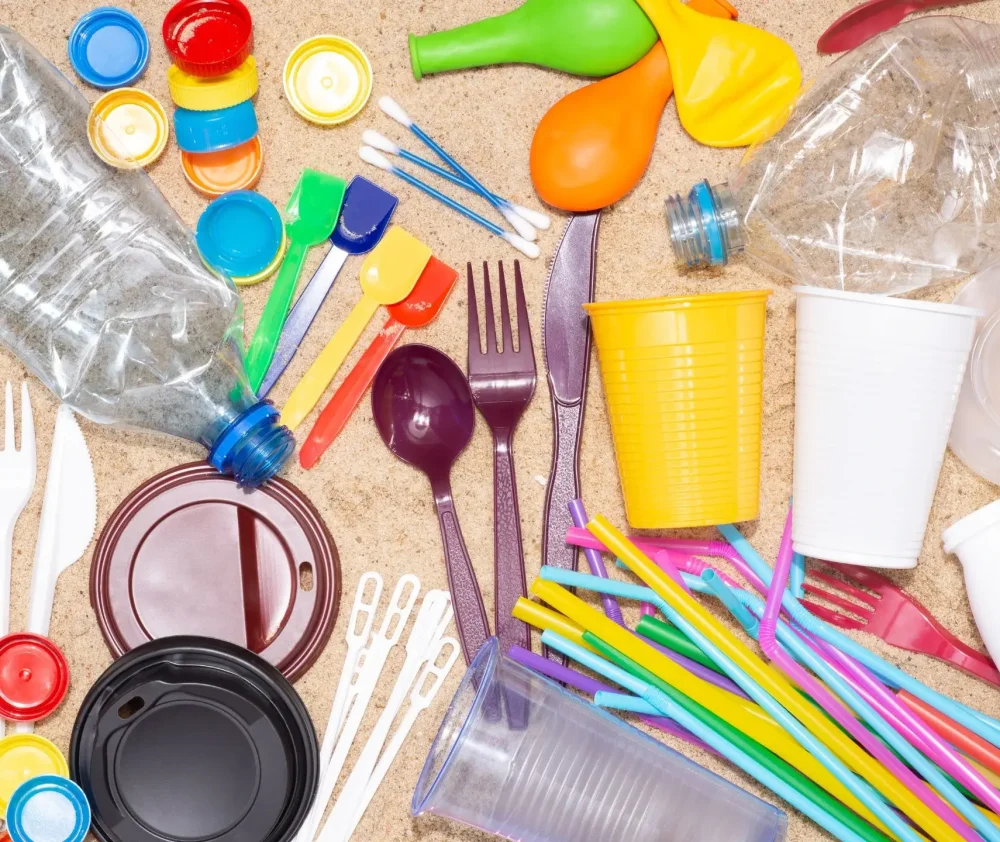
Microplastics seem to come up in conversation every day, and for good reason. Over the last few decades, our society has shifted from glass, metal and reusable materials to the cheaper, more convenient option: plastic. Take a quick glance around your kitchen. How many plastic containers do you see? Plastic cutting boards? Even tea bags? All of these materials can be a source of microplastics that end up in our bodies.
But the problem doesn’t stop at home. Microplastics are flooding into our oceans at an alarming rate. As of 2025, scientists estimate 75 to 199 million tonnes of plastic waste are currently circulating in marine environments. Once plastic enters the ocean, sunlight, waves, and microbial activity break it down into tiny fragments, microplastics, that are nearly impossible to remove. Plastic has become so widespread that it now appears in the fossil record, marking our transition into the anthropocene: the age defined by human impact.
So…what exactly are microplastics?
Microplastics are small plastic pieces less than five millimeters long, small enough to be invisible, but large enough to cause harm. They come from many sources: synthetic clothing fibers, car tires, city, road markings, marine coatings, and the breakdown of larger debris. Even personal care products used to contain microbeads, tiny manufactured polyethylene spheres added to exfoliating scrubs and toothpastes. (thankfully many countries have banned them, but they still persist in older products and global markets). These particles don’t just float around harmlessly. They enter our bodies through food, water, and even the air we breathe.
Why should we care? The health impacts are real.
Research on microplastics is still evolving, but what we know so far is concerning. Microplastics can disrupt the gut microbiome, the delicate ecosystem that supports digestion, immunity, and overall health. Long-term exposure may contribute to inflammation and “leaky gut”. Studies also show that microplastic can interfere with ovarian function, reduce fertility, and disrupt hormone regulation.These tiny particles pack a larger impact than you would think, but researchers are actively studying them and what can be done to prevent plastic from entering our bodies.
What can we do? Practical steps to reduce microplastic exposure
The good news is that small changes can make a meaningful difference, both for your health and for the planet. In the kitchen, swap plastic containers, cutting boards, and utensils for glass, stainless steel, or wood. It’s also wise to avoid heating food in plastic, and to switch to glass or metal water bottles. When it comes to personal care, try bar soaps, shampoos, and conditioners instead of products packaged in plastic, and avoid purchasing products that contain microbeads.
In the laundry room, choose natural fibers such as cotton, wool, or linen when possible and try to line-dry your clothes, as heat from dryers increases microplastic shedding. If you can’t avoid synthetic fibers, GUPPY bags can be used when washing clothing to capture microfibers before they enter wastewater. In daily habits, continue choosing other sustainable plastic-free options like reusable bags and straws. It also may be wise to consider installing a reverse osmosis filter under the kitchen sink to reduce contaminants in your drinking water.
While small changes can reduce our exposure, addressing microplastics already present in our water and food chain requires broader solutions. At the latest installment of the Town of Vail Lunch with the Locals on Wednesday, September 9th, Dr. Stephanie Miller will offer a presentation on the risks microplastics pose in the human body and what Vail Health and the medical field more broadly are doing to reduce plastic waste and interrupt the pathways for plastics to enter our bodies.The free event will take place in the Grand View Room above the Lionshead Welcome Center at noon and lunch will be provided.
The bottom line
Microplastics are everywhere: in our homes, our oceans, and our bodies. But we’re not powerless. By making thoughtful choices about what we buy, how we store food, and what materials we use every day, we can reduce our exposure and help slow the spread of plastic pollution. Staying informed and making practical changes can make a meaningful difference for the health of humans and our planet.
Lindsey Siebert is a Sustainability Intern at Walking Mountains.