
Imagine you are walking through a park and suddenly see a tiny baby bird on the ground. Your first thoughts might be to pick it up, call someone, or panic and quickly try to get it back in the tree, but let’s take a breath and think about your best course of action.
This article is going to outline some questions you should ask and steps you could take to help a bird that looks injured or abandoned. What you’ll find is it’s usually best to leave the bird alone unless it’s obviously in danger. Let’s get into a few steps you can take.
📷 Licensed from Adobe Stock
First, assess the age of the bird. Does it have full fluffy/scruffy feathers? If it does, the bird is a fledgling. Fledglings are just learning to fly, so awkward leaps and landings are part of the process, and they don’t need to be helped. Fledglings need space to stretch and strengthen their wings, even if they aren’t proper flyers yet. Do you see an anxious bird nearby? If you do, it’s best to let mama or papa handle the situation. Even if you don’t see a relative nearby, they are probably pretty close monitoring the situation from a safe distance. If the bird is in a safe location, there is nothing that needs to be done. Did you know, baby robins fledge at 13 or 14 days old, but it takes golden eagles 60-70 days of learning before they leave the nest?
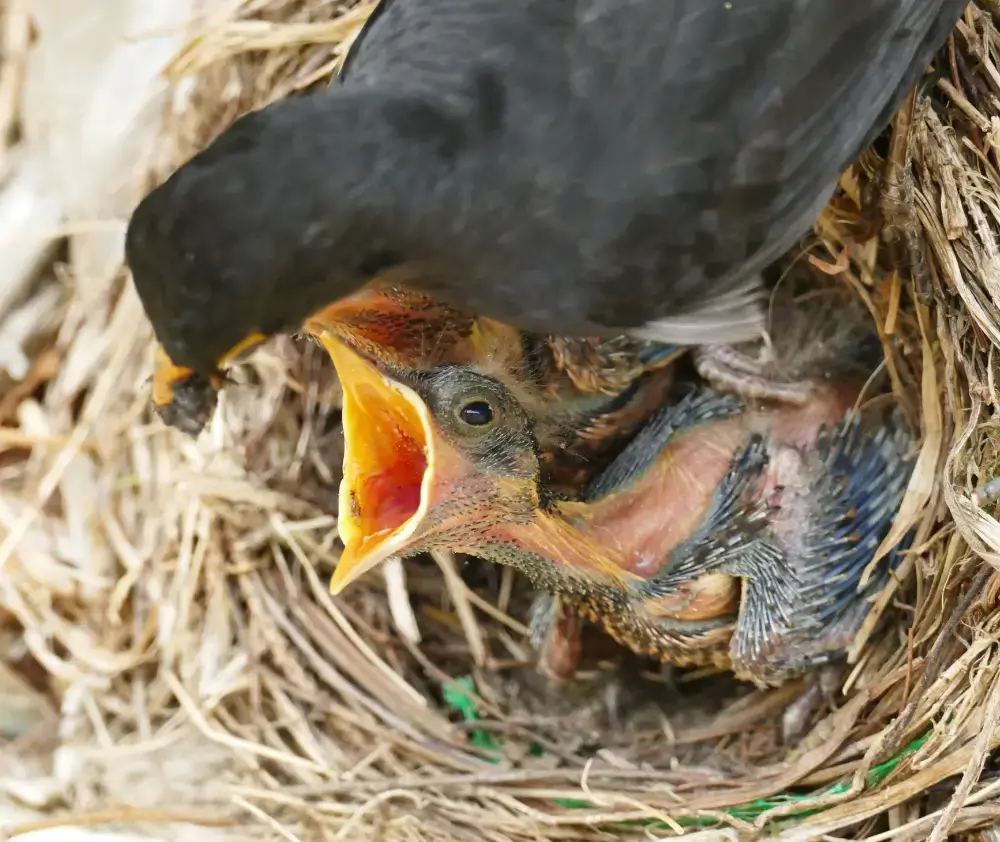
If the bird has its eyes closed and no feathers, it is a hatchling or nestling. It should not be out of the nest yet, so you can gently put it back in its nest if you see one nearby. It is a common misconception that touching a baby bird will cause its mother to abandon it. This myth was probably started to prevent diseases traveling from animals to humans, and to protect wildlife from unnecessary disturbances. If you do not see a nest anywhere, it is acceptable to place it somewhere close that looks safe and warm.
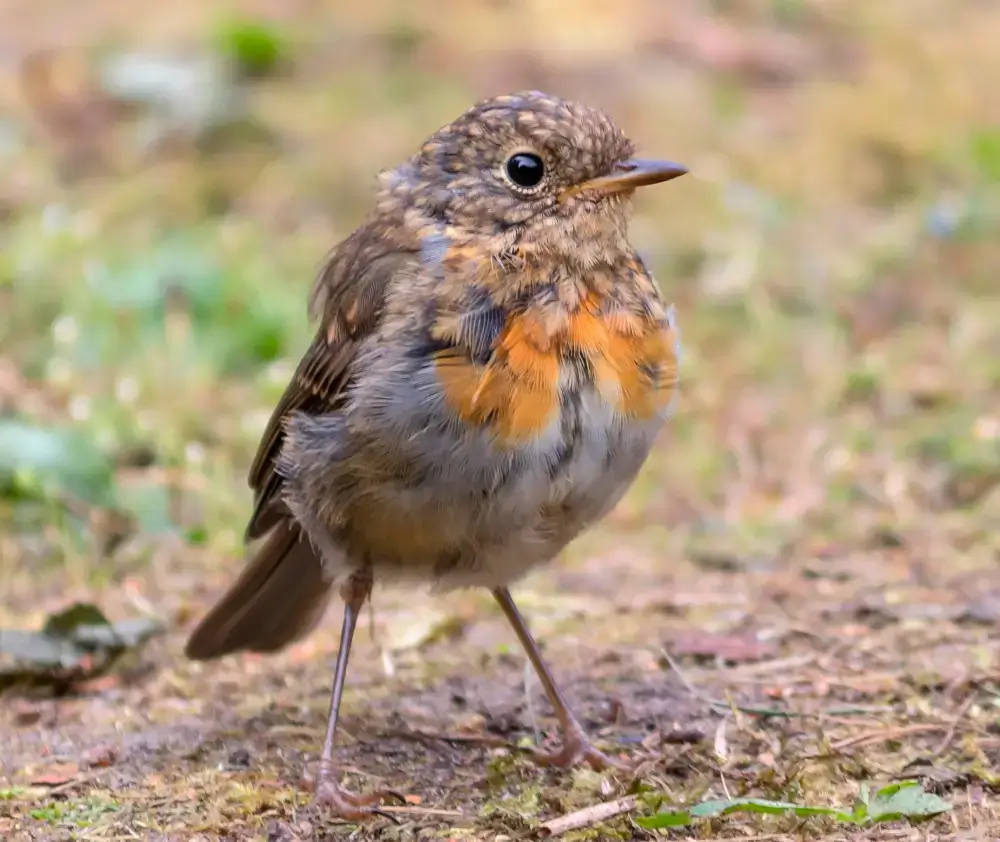
Young fledgling birds may sometimes appear helpless, but this is part of growing up.
📷 Licensed from Adobe Stock
After assessing the age of the bird, take a closer look at the bird, and assess the surrounding situation. Does the bird look injured? If you see blood, a mangled foot or wing, or the bird is visibly lethargic it is appropriate to take action. Only take action if the bird is obviously in distress, removing a bird that has no clear injuries could do more harm than good. Do not take the bird home with you and try to heal them yourself. Baby birds require proper nutrition, temperatures, and care. It’s important to contact a professional wildlife rehabilitation facility to give the bird its best chance of survival. It is also important to note that wildlife rehabilitation facilities don’t have the capacity to take on every injured bird.
At the end of the day, it’s almost always best to leave wild birds on their own. They are built to survive the wild and helping may end up causing more harm than good. In most cases, observing from a distance is the kindest and safest choice for both you and the bird. It can be scary finding a bird all alone, but most of the time they are exactly where they should be. In rare cases where a bird is injured or misplaced, it’s important to take proper precautions and know what questions you should be asking before intervening.
Tessa Magner is a naturalist at Walking Mountains whose favorite spring activities include hiking and practicing photography.
Sources:
https://www.birdsandblooms.com/birding/attracting-birds/bird-nesting/can-you-touch-baby-bird/
https://www.allaboutbirds.org/news/i-found-a-baby-bird-what-do-i-do/
https://www.adfg.alaska.gov/index.cfm?adfg=wildlifenews.view_article&articles_id=426
https://happyhooligans.ca/baby-robins/
https://avianreport.com/golden-eagle-breeding/