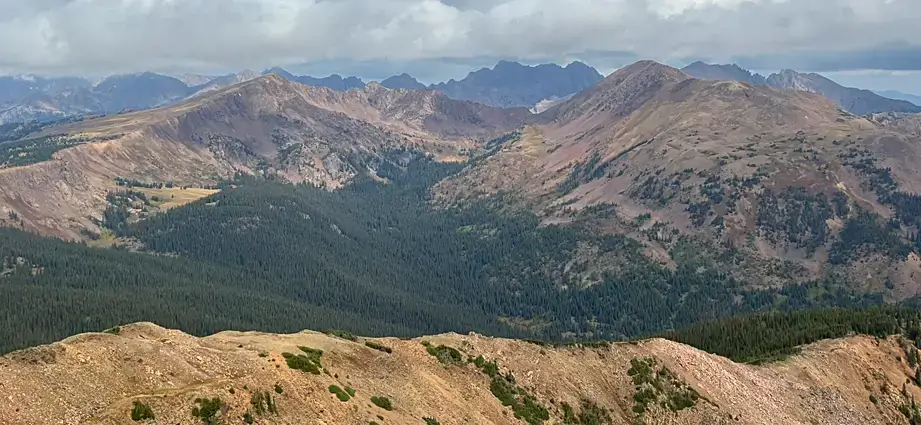
It is innately human to crave time in nature – after all, we are a part of it. We all seek different things from our time outside, but a core value of nature in American culture is isolation and escape from our modern day issues. So what happens when you go to spend time outside and find more people than you see in your everyday life? After the COVID-19 pandemic, outdoor spaces saw a resurgence of visitors. In fact, one Penn State study found a 20% increase in the number of people who are new to outdoor recreation (Taff et. al, 2021). Since there has been an increase in the use of outdoor spaces, it is more important than ever that we are properly educating ourselves and recreating responsibly.
Here in Eagle County, we should consider ourselves very lucky as 80% of the county is public land with the most significant amount due to the White River National Forest. It is the most visited of all of the forests in the national forest system. It comprises 2.3 million acres broken into five ranger districts, contains eleven ski areas, and saw approximately 13.1 million visitors last year. The eleven ski resorts are a major attraction for the national forest, as 53% of visitors said they were visiting to ski or snowboard. However, between 2017 and 2022 they saw a 113% increase in general forest area visitation. In comparison, Rocky Mountain National Park, which protects 265,807 acres, saw approximately 4.2 million visitors last year. Following the increased recreation trend post-COVID, the park saw a 1.1 million increase in visitor numbers between 2020 and 2021.
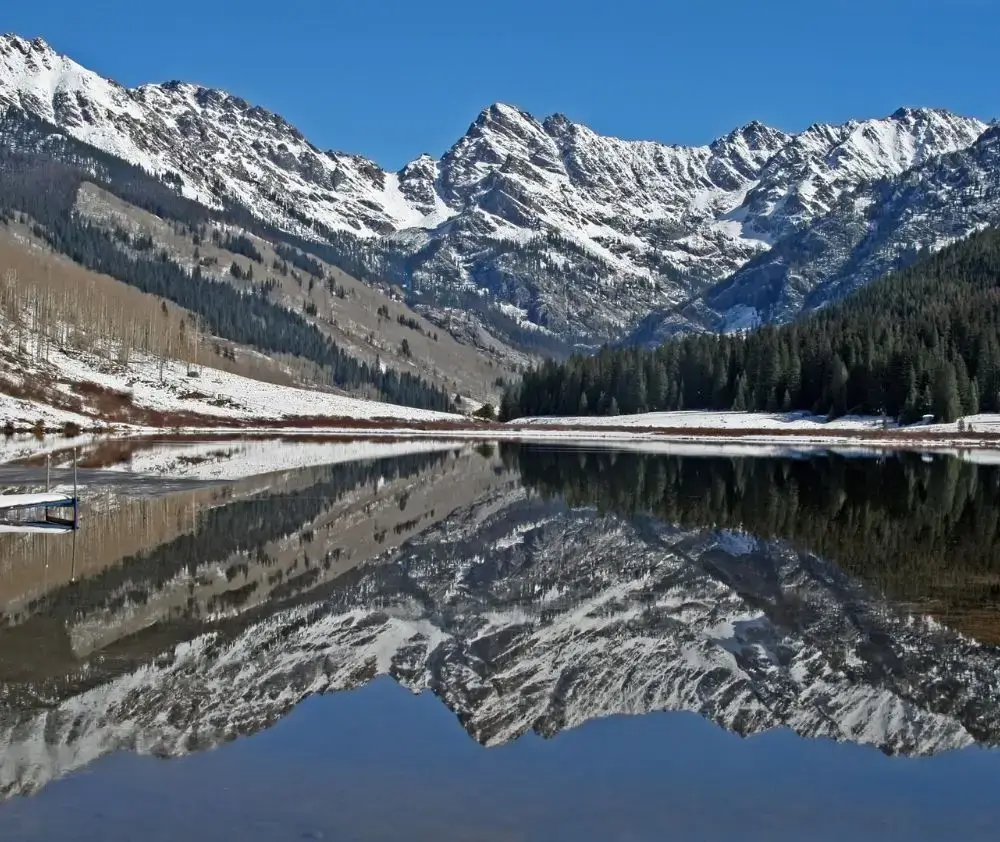
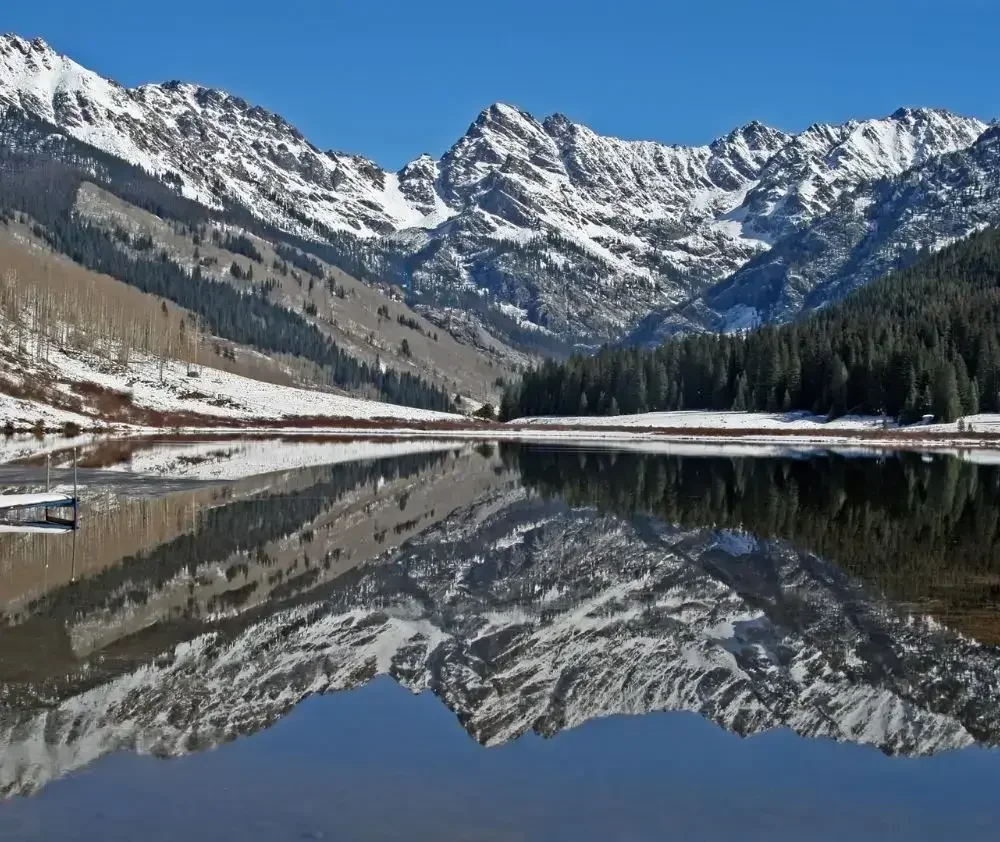
Gore Range of the Rocky Mountains, reflected in Piney Lake. 📷 Licensed from Adobe Stock.
With that many visitors to the national forest, it is more important than ever to be a good steward of the land by following the Leave No Trace principles. Arguably the most important part of stewardship is education. Being properly educated about the terrain, weather, and route are the best ways to leave no trace. Start by checking local trail closures for elk migration and calving, burned areas, or restoration efforts. If you will be using a multi-use trail, know who you must yield to and who yields to you: a good rule of thumb is downhill users yield to those going uphill and everyone yields to horses. This prevents trail widening and conflicts between recreationists. Ensure you have the proper permits required or have paid the use fees. If you are bringing your furry friend along, know the rules for them. In wilderness areas, all dogs must be on leash but in other areas they are allowed off leash as long as they are under voice control. This keeps you, your pet, and wildlife safe! Most moose attacks that end in injury are due to an offleash dog, as a dog resembles their only natural predator: a wolf. If you plan on having a fire, check the local fire restrictions first. Our record low-snowpack winter is resulting in an extremely dry summer, causing drought and extreme fire danger. Find other ways to connect with your fellow campers other than over a fire this summer.
The best way to be a good steward of public lands is to first educate yourself and then utilize them responsibly. We are never too old to learn! There are plenty of opportunities with Walking Mountains to get outside and learn either through public backcountry hikes or guided naturalists walks. To learn more visit our website walkingmountains.org or call 970-827-9725.
Ellie Madigan is a naturalist at Walking Mountains, where she enjoys birding and learning about wildflowers.