Fall brings cooler weather, pumpkins, and cozy sweaters. Leaves change, animals begin to hibernate, and the days become shorter and shorter. But how do trees know to change colors, pika know to store up food, and some animals know to don snowy-colored fur? The physical changes we associate with fall are triggered by changes in daylight caused by Earth’s tilt on its axis and its position around the sun.
Fall officially starts on the day of the autumnal equinox. The name “equinox” comes from the latin word “aequus” meaning equal and “nox” meaning night. And, you guessed it, the spring and fall equinoxes mark the two days each year where day and night are almost exactly the same length. This year, the fall equinox will occur on September 22. But why exactly are day and night equal lengths?
In astronomy, the fall equinox is the day that the sun shines with equal intensity on the southern and northern hemispheres. A common misconception is that the changes in season occur because one hemisphere is closer to the sun than the other at a given time; however, seasonal variations are caused by changes in the angle that the sun’s light hits the earth.

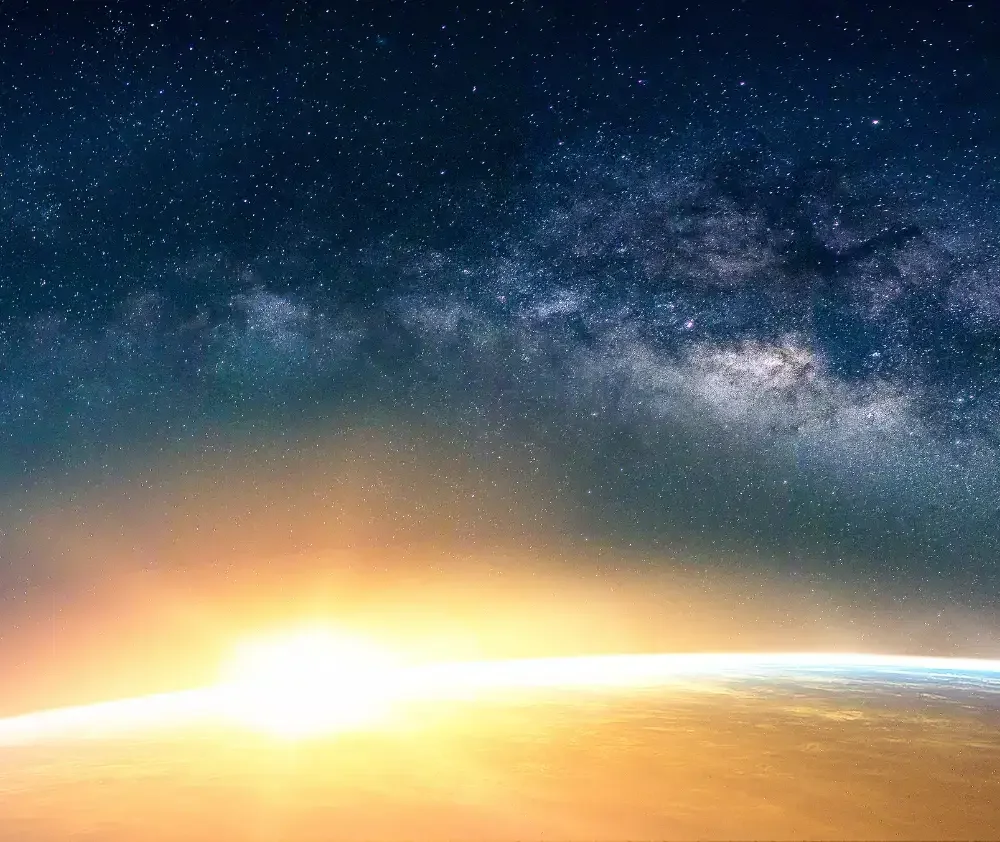
While seasons shift dramatically at higher latitudes, the equator experiences relatively little seasonal change. 📷 Licensed from Adobe Stock.
Because the earth is tilted on its axis at about 23.5 degrees, the sun’s rays hit different regions of the Earth with different amounts of magnitude throughout the year. You can imagine the earth is always slightly tilted to the right. As it moves around the sun, it stays tilting slightly right no matter what, making some parts of the earth face the sun more directly. For example, the equator receives light from the sun at an almost 90 degree angle throughout the year, which is why equatorial regions do not experience dramatic seasonal change.
Here in Colorado, winter occurs because the angle of sunlight hitting the northern hemisphere is less direct. Have you ever noticed that the sun appears lower in the sky in the winter than in the summer, and rises and sets in different spots? That’s because the northern hemisphere is tilted away from the Sun during this stretch of its annual orbit. This is just one physical way we can observe the astronomical positions behind seasonal change.
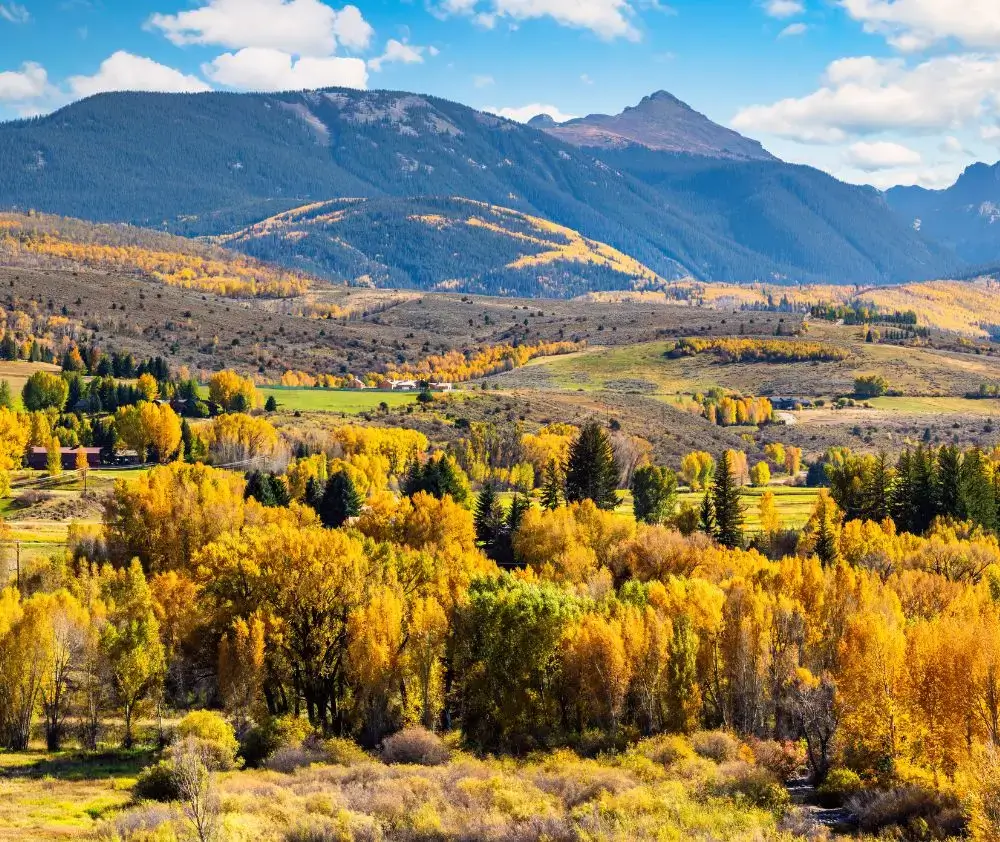
Decreasing fall sunlight triggers a drop in green chlorophyll within aspen leaves, unmasking natural yellow and gold pigments beneath. 📷 Licensed from Adobe Stock.
The shorter days of winter and fall mean that plants and animals have a shorter photoperiod, or amount of time each day they are exposed to light. This prompts aspens to stop producing chlorophyll, the green pigment that supports photosynthesis, revealing the carotenoid and xanthophyll pigments inside that create stunning yellows and golds.
Animals respond to the changes in daylight as well. Just like humans, animals have an internal twenty-four hour clock called the circadian rhythm. Humans often associate circadian rhythms with sleep routines, but for animals, circadian rhythms can influence major physical changes. For example, ermines lose their tawny summer coats for bright white fur, helping them blend in with the snow and hunt without being detected. Snowshoe hares also grow bright white coats, helping them to avoid predators.
While the position of the Earth around the Sun is what drives seasonality, different local climate factors can drive the magnitude of the changes we see and feel. Colorado is experiencing a drought, and as water remains scarce, it may impact fall foliage. While the leaves will still change, trees may drop leaves early due to water stress. As the fall season approaches, be mindful of water use. Even small amounts of effort can help make a big difference for Colorado plants and animals during this transition season.
Anna McCormack is a naturalist with Walking Mountains who loves to learn about the stars.
https://www.britannica.com/science/autumnal-equinox
https://www.weather.gov/cle/seasons
https://science.nasa.gov/solar-system/skywatching/night-sky-network/embracing-the-equinox/
https://www.sciencedirect.com/topics/agricultural-and-biological-sciences/photoperiod
https://www.nesdis.noaa.gov/about/k-12-education/understanding-our-planet/why-do-leaves-change-color
https://sites.math.duke.edu/education/ccp/materials/calculus_projects/Ozone1Proj/ozone7.html