As we have transitioned into autumn, it’s easy to feel our connection to the seasons. The cool breeze and shorter days slow me down after summer’s busyness and send me back to my soup recipes as I myself prepare for winter. Animals are tuned in to these changes, even more so. For a couple of months already, pikas have been gathering hay, and many birds have been heading south for warmer weather. Earth’s rhythms shape the behavior of all living things. So what happens when those rhythms begin to change? One of our spookiest birds may be adapting to a warming climate in ways that bring some unsettling consequences.
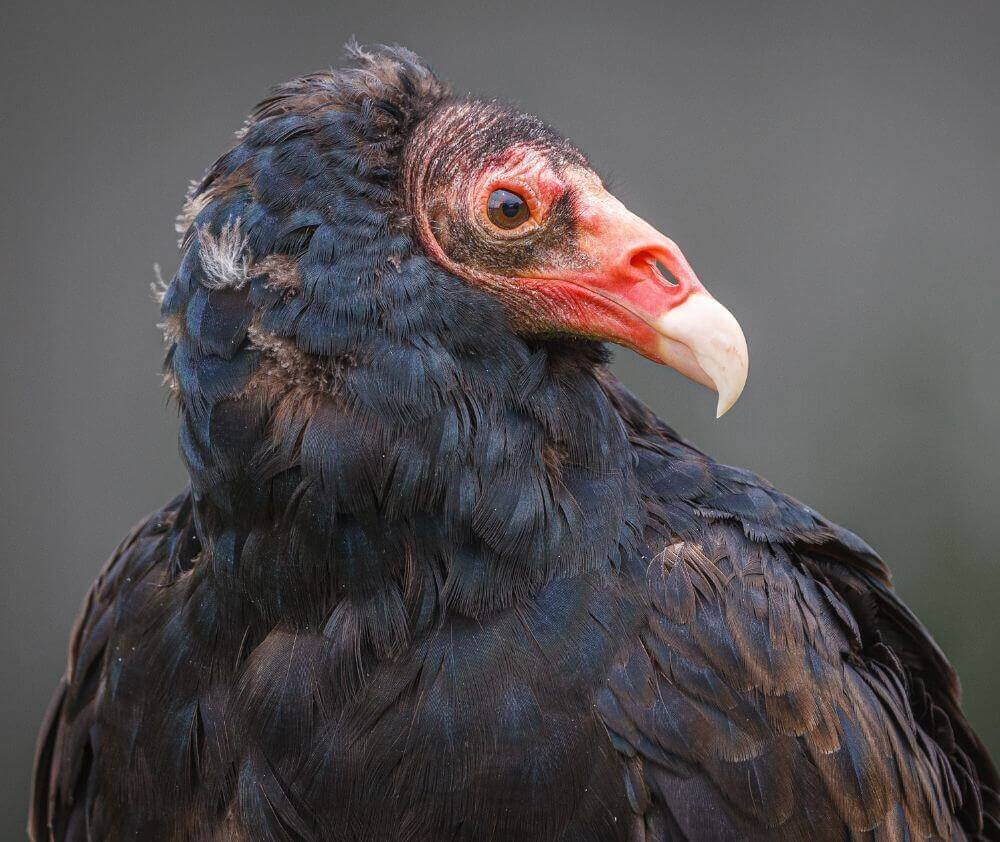
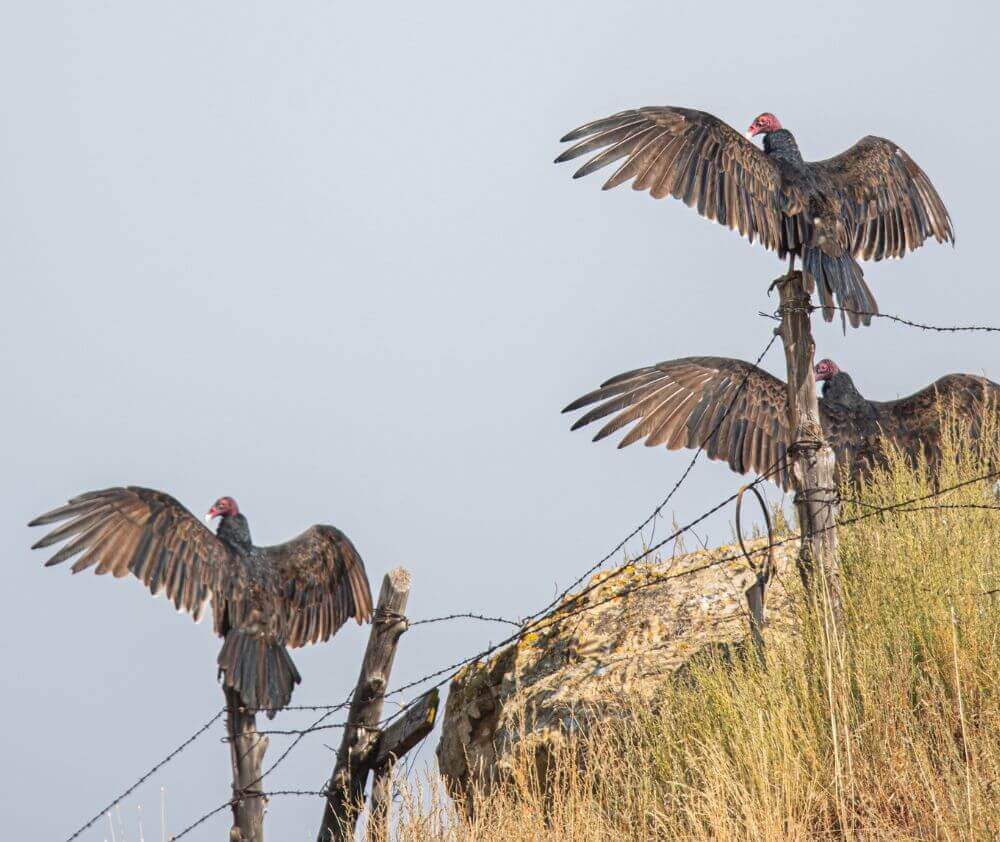
With Halloween just around the corner, it’s the perfect time to talk about the turkey vulture (Cathartes aura). These birds may have a sinister reputation, considering that they follow death, but they’re remarkably helpful to the ecosystems they inhabit. By scavenging carcasses, turkey vultures help limit the spread of dangerous pathogens, including those associated with anthrax, cholera, rabies, and botulism. Their highly acidic stomachs (around a pH of 3) help destroy many pathogens they consume, and their wide range means they clean up ecosystems all over the western hemisphere. Their Latin name translates to “cleansing breeze,” which is extremely fitting indeed.
Meet the Turkey Vulture. 📷 Licensed from Adobe Stock.
Recent studies have shown turkey vultures delaying their annual migrations out of North America. Some northern populations are even beginning to stay through the winter rather than traveling south to Central or South America. But how is this connected to climate change? Beyond temperature cues, vultures rely heavily on thermal updrafts in the process of their migration. A thermal is an area where hot air and cool air are circulating due to the sun heating up the ground, and heat rising above cooler air temperatures. Birds that rely on thermals (vultures and beyond) face altered timing, shifting thermal ceilings, and more unpredictable wind-shear interactions as the climate changes. They have to pause or delay travel during adverse weather or when thermals fail to be produced. Their average departure has been delayed at the rate of 1.6 days per decade since 1999. While a longer stay might sound harmless, changes in migration timing can ripple through ecosystems and bring new challenges for the birds and humans living nearby.
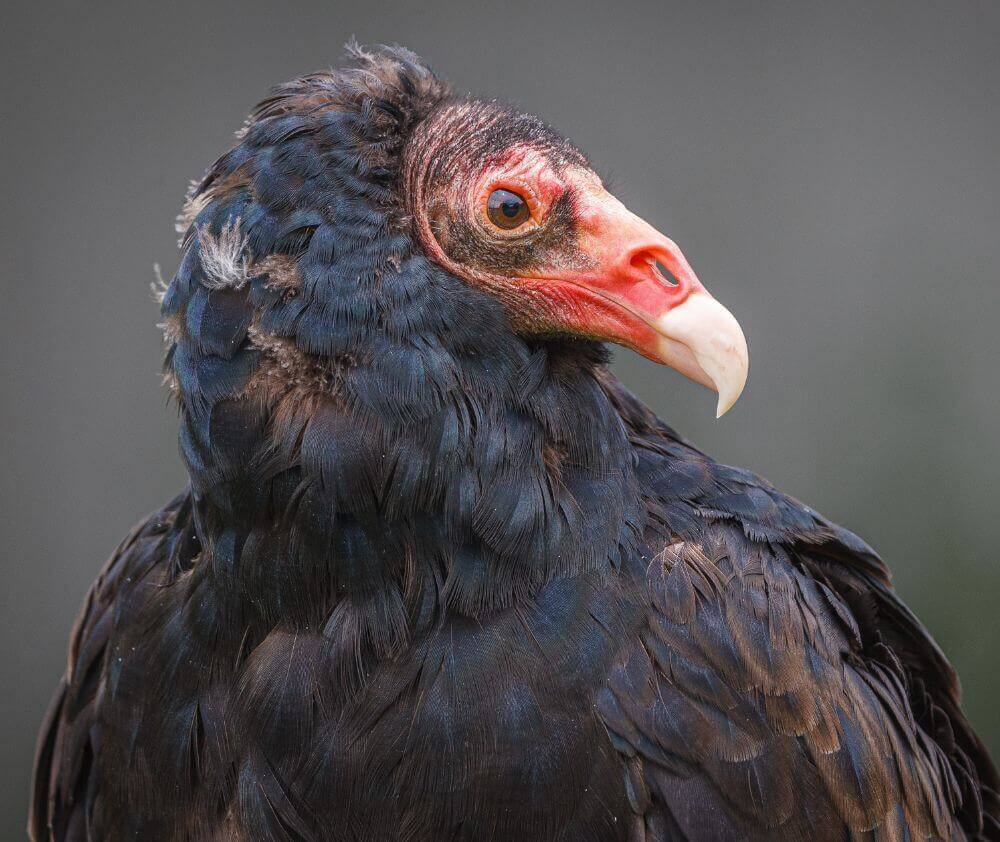
📷 Licensed from Adobe Stock.
Changing migration patterns may affect where and when vultures gather. At geographic bottlenecks such as the Juan de Fuca Strait, the size of these gatherings has reportedly increased substantially over the past 25 years. This can cause sparser food and roost room in areas and conflicts among groups for overcrowding.
When large groups stay near the same places for longer, they can also create more frequent conflicts with people. Vultures may roost around homes and businesses, where they can damage property from roosting on roof shingles, and their droppings can build up on electrical infrastructure and contribute to power disruptions, increasing tension in the way humans and these animals interact.
Turkey vultures may not be everyone’s favorite sign of autumn, but they are doing essential work that often goes unseen. As climate change alters seasonal patterns, understanding where these birds go and how long they stay will help us anticipate the effects on both ecosystems and communities. You can help scientists understand migration changes for these and other bird species by participating in community science projects such as eBird and iNaturalist. Being involved in your local ecology is a great way to strengthen your connection to Earth’s seasonality and see the beauty in even the spookiest of species.
Sarah Brookins is a Naturalist at Walking Mountains and loved learning that groups of turkey vultures are classified by different names depending on what they are doing (a kettle, a committee or a wake)!