World Water Day has been held annually on March 22 since 1993. It is a United Nations Observance that focuses on the importance of fresh water and raising awareness of the 2.1 billion people living without safe, reliable access to clean water. This year’s theme is “Water and Gender”, focusing on centering women and girls in global water solutions.
Historically and globally, women have played important roles in the management of and advocacy for water resources, but too often their contributions go unnoticed or underappreciated. Read on to learn about a few powerful women in water, what they have done to address water crises, and how we can join them in conservation efforts – from right here in Eagle County.
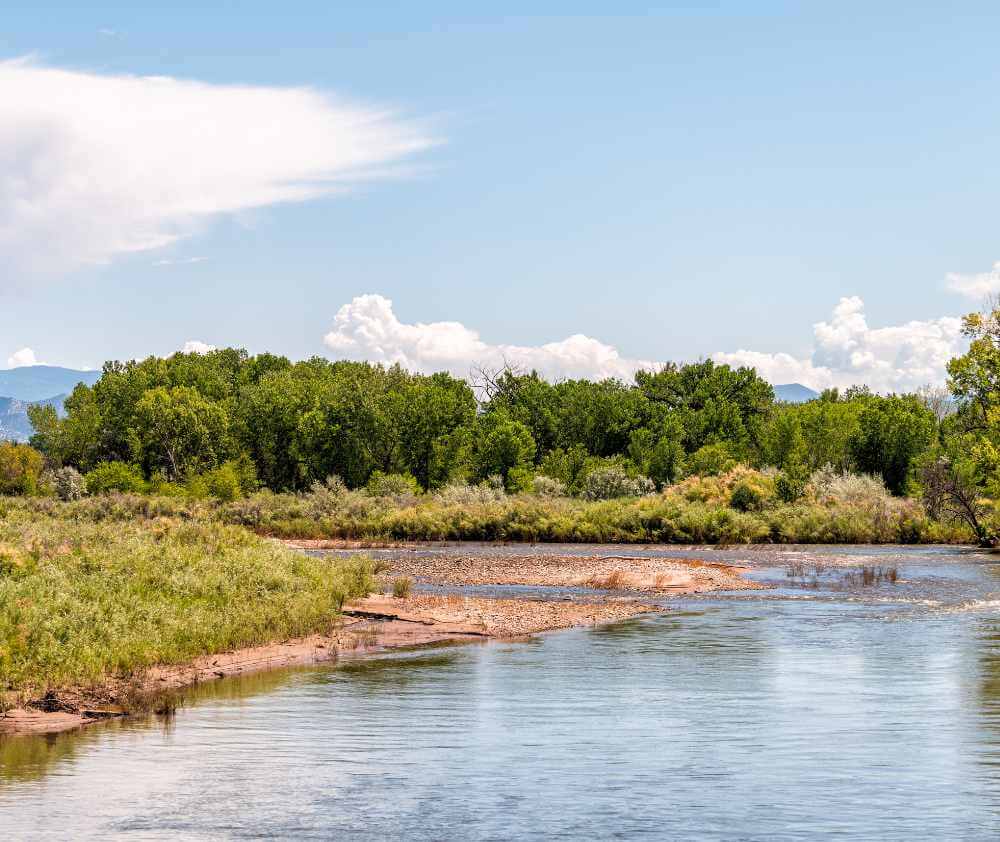
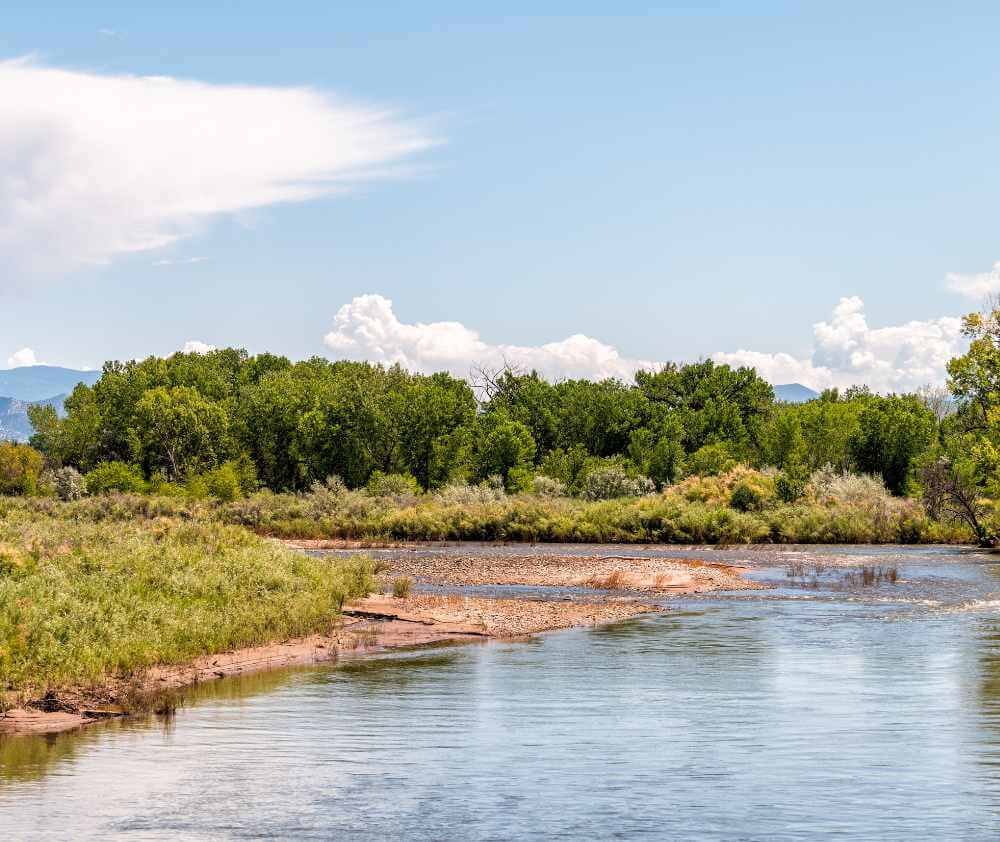
Eagle River, Colorado. 📷 Licensed from Adobe Stock
The first female professional chemist
Ellen H. Swallow Richards (1842–1911) was one of America’s first scientific school students (attending MIT in 1871) and first female professional chemist. In 1890, MIT created a sanitary engineering program, and Richards was appointed instructor. Alongside her assistants, she conducted water quality surveys on Massachusetts’ inland polluted waterways. This led to “the first state water-quality standards in the nation and the first modern municipal sewage treatment plant, in Lowell, Massachusetts.” (Kaplan, 2024). For the next ten years, Richards would serve as an official water analyst for the State Board of Health.
The “Water Walker”
Josephine Mandamin (1942-2019) – known as the “Water Walker” – was an Anishinaabe Elder, water-rights advocate, and Anishinabek Nation Chief Water Commissioner. From 2003 to 2017, she organized multiple “water walks” to bring awareness to issues such as water pollution and environmental degradation. These walks consisted of walking the perimeter of one of the Great Lakes or surrounding waters, sometimes taking a month or longer. Before her death in 2019, she passed on her legacy to her niece Autumn Peltier, who is now the Chief Water Commissioner of the Anishinabek Nation (Gallant, 2020).
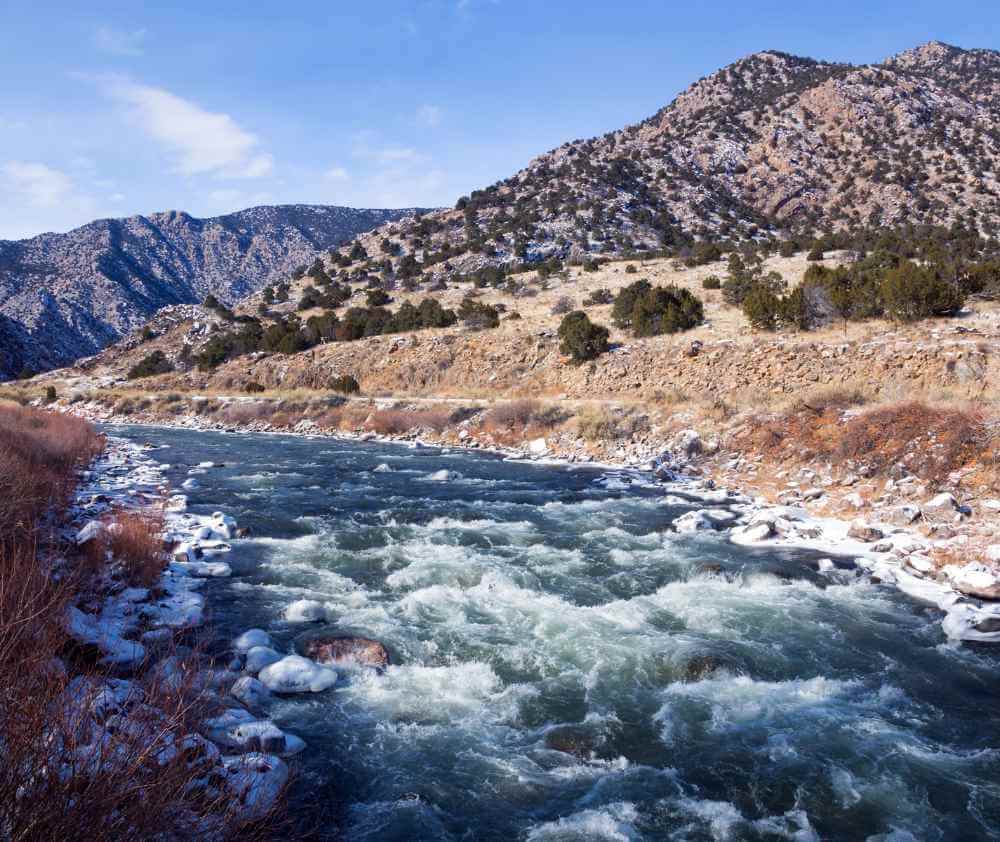
The headwaters of the Arkansas River, Leadville, Colorado. 📷 Licensed from Adobe Stock
The “Water Mother of India”
Amla Ruia – known as the “Water Mother of India” – revived ancient water harvesting techniques in India. In response to severe water scarcity and poverty issues in rural communities in Rajasthan, she founded the Aakar Charitable Trust in 2003 – an intervention intended to empower these communities to build check dams to harness rainwater and increase groundwater levels. As of June 2025, 1.8 million villagers have been lifted out of water scarcity and poverty and 670,000 acres of farmland have been successfully irrigated. (Aakar Charitable Trust, n.d.).
Care for Colorado water
In Colorado and Eagle County many women are working to ensure our local and state waters are being protected. There are also many things we can do to protect our watershed alongside them. A good first step is to learn all the ways you rely on water. www.watercalculator.org is a great resource that allows you to understand your “water footprint”, or how many gallons of water your household uses per day. When we have a better understanding of our water usage, we can make educated decisions to reduce it. Maybe it’s only running the dishwasher once it’s full or driving your car less (it takes a ¾ gallon of water to drive 1 mile!). We can also prevent polluting our waterways – disposing of pet waste away from water sources, avoiding dumping oil, fertilizers, or anything that’s not water down storm drains, and recreating around and in water responsibly (AKA, Leave No Trace). In doing so, we can indirectly continue the work these women in water have undertaken, and do our part to care for our water.
Callie Pehl is the Development Coordinator at Walking Mountains. She loves everything water-related (especially fly fishing Colorado’s many rivers).