If this season feels a little different, you are not imagining it. The valley has seen much less precipitation than usual this year, and it is starting to show. Trails are dusty earlier than expected, streams are running lower, and conversations about water seem to come up everywhere, from trailheads to coffee shops.
The reality is that drought in the West is serious, and communities like ours are continuing to feel the effects of it. As conditions change, many people are realizing we may need to adjust some of our expectations around water use, landscaping, and even gardening. But instead of only focusing on what is being lost, many locals are asking a more practical question: what can we do differently?
For some people, the answer is starting in the garden.
Even staff housing at WM has started experimenting with a drought-conscious garden. It is a small project, but it reflects something larger happening throughout the valley. People are finding ways to care for the land while also being more thoughtful about water use.
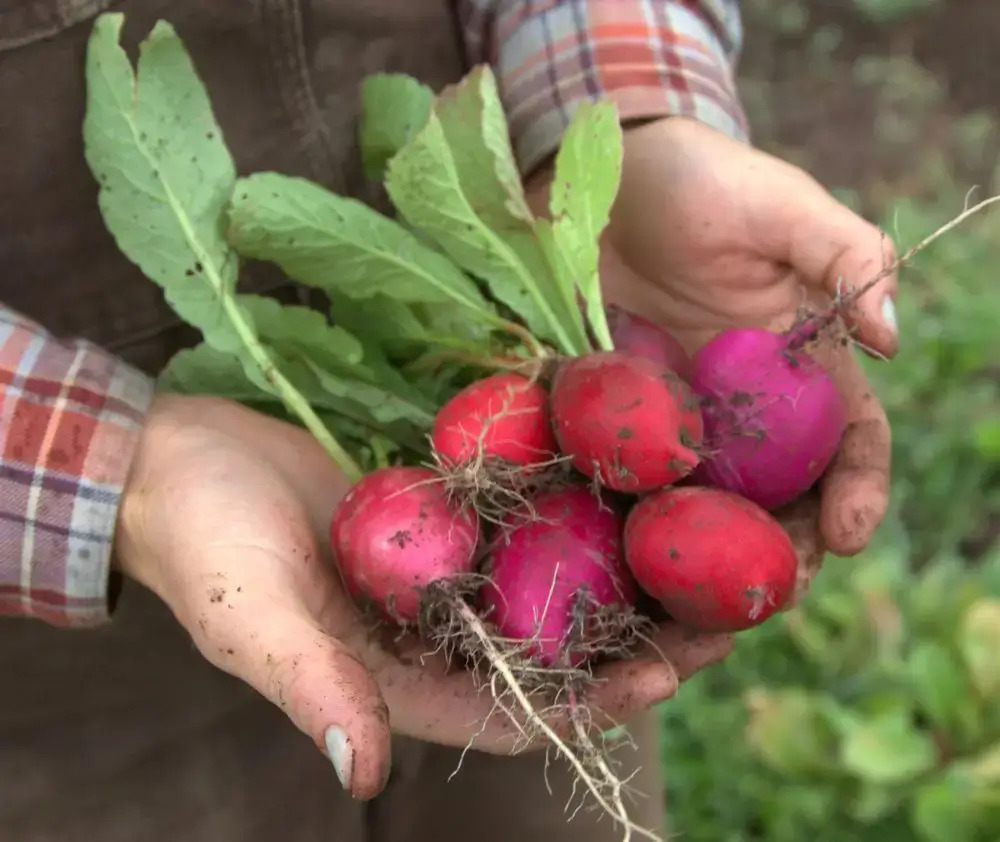
From garden beds to harvest baskets, radishes are a great example of a short-season crop that can adapt to drier conditions and thrive during Avon’s growing season. 📷 Photo by Chris Cohen.
I had never gardened in Colorado before moving here, so learning what can grow in this climate has been a process of trial, error, and paying closer attention. Gardening has always helped me feel more connected to the places I live because it forces me to get to know the land a little better: the soil, the weather patterns, the amount of water available, even which plants struggle and which ones thrive. There is also something really meaningful about sharing food you grew yourself or cooking for people you care about with ingredients that came from the garden
One of the biggest changes people are making is switching from traditional watering methods to drip irrigation. Sprinklers and hoses can lose a surprising amount of water through evaporation and runoff, especially during hot afternoons. Drip systems deliver water slowly and directly to plant roots, which means less waste and healthier plants overall. Pairing drip irrigation with timers can help even more. Watering early in the morning or later in the evening reduces evaporation and keeps soil moisture more consistent.

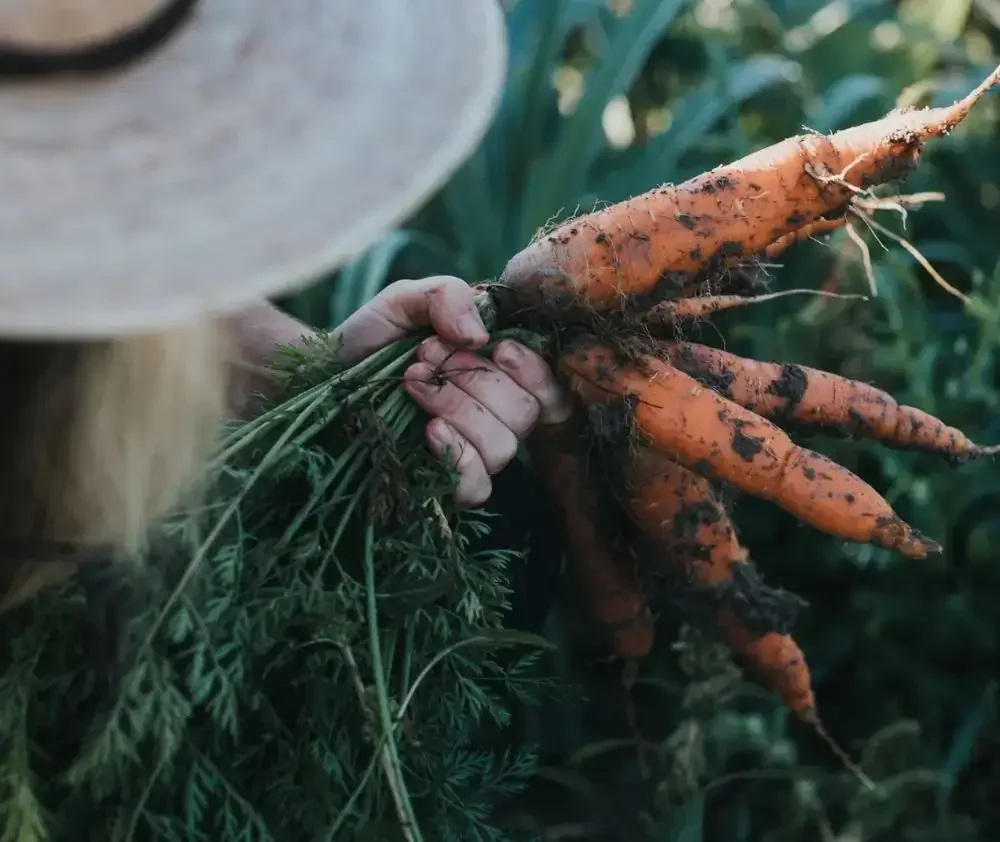
Growing in Colorado means adapting to the landscape. Thoughtful gardening allows us to nurture plants, conserve water, and connect deeply with home. 📷 Photo by Chris Cohen.
What people choose to grow matters too. Some crops need more water than others, but that does not mean gardening needs to stop altogether. Many gardeners are shifting toward crops and varieties that can handle drier conditions a little better. Bush beans, zucchini, radishes, snap peas, and other short-season crops tend to do well in climates like Avon’s because they establish quickly and generally require less water once mature.
At the same time, some gardeners may decide to scale back vegetable production during especially dry seasons, and that is okay too. One option is cover cropping. Instead of growing vegetables, gardeners plant crops specifically meant to protect and improve the soil while using significantly less water. Cover crops help reduce erosion, suppress weeds, retain moisture, and return nutrients back into the ground. It is a way of caring for the soil now so it stays healthy for future growing seasons.
Soil care itself can also make a big difference in water conservation. Adding mulch around plants helps keep moisture in the ground longer by reducing evaporation. Compost improves the soil’s ability to hold water, almost like a sponge. Healthier soil generally means plants can survive longer between waterings and stay more resilient during dry periods.
This summer may be dry, but it is also revealing how adaptable communities can be. Gardening in a drought is not about pretending conditions are normal. It is about paying attention, adjusting expectations, and finding ways to work with the landscape rather than against it.
In a place where snowpack, rivers, and weather shape so much of daily life, even small choices about how we garden can matter. Whether that means planting drought-tolerant crops, installing drip irrigation, or letting the soil rest under a cover crop for a season, these choices add up. They reflect a growing understanding that stewardship sometimes means adapting and caring for the land differently than we have before.
Maggie Roszko is a Foley Graduate Fellow at Walking Mountains. Maggie enjoys snowboarding, hiking, gardening, biking, being in the water, and popsicles.