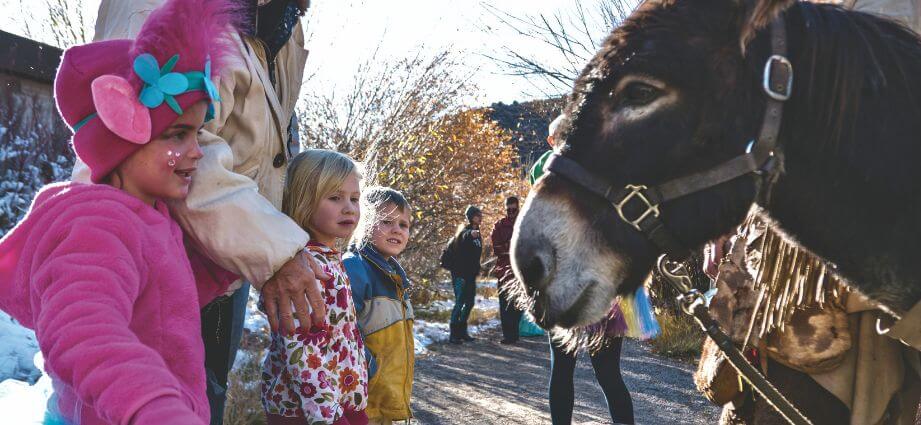

As spring begins to emerge in Eagle County, many of us feel an almost instinctive pull to get outside. When temperatures rise and daylight lengthens, the environment becomes more lively with singing birds, roaring rivers, and scattering squirrels. It’s not just wildlife that experience this drive, humans also experience a seasonal urge to connect with the outdoors and it is part of something scientists and psychologists call ecopsychology. Ecopsychology explores the relationship between human wellbeing and the natural world. The core concept is that our mental, emotional, and physical health are deeply intertwined with the environment around us.
Spring in Eagle Valley is an invitation to reconnect. Even a few minutes outside can calm the mind, boost mood, and restore focus. 📷 Licensed from Adobe Stock
Researchers have found that even short periods such as 10 to 20 minutes outdoors can create measurable changes in the mind and body. Trees release airborne compounds called phytoncides, which research suggests can lower cortisol and adrenaline, reduce blood pressure, and activate the parasympathetic nervous system. Sunlight increases our vitamin D, which is essential for serotonin production, the feel-good hormone that improves mood, focus, and calmness. And fresh mountain air often contains negative ions created by moving water, which may help improve alertness and increase mental energy by improving oxygen absorption. Natural environments also give our brains a break which psychologists call “attention restoration.” Modern, daily life often surrounds us with bustling environments requiring constant alertness and decisions. On the contrary, nature offers gentle, slow movements like that of the clouds, trembling aspen leaves, or a trickling creek. This quiet stimuli evokes what is described as “soft fascination,” which allows our focus to rest and recover.
Water, forests, and mountain views stimulate the senses in ways that are so enthralling it can only be explained through what is known as the biophilia hypothesis. Biophilia hypothesis, a foundational concept for ecopsychology, explains that the human search for connection with nature can be backed by an innate, genetic tendency. Since humans have always relied on healthy landscapes with resources like clean water and safe shelter, it makes sense why we have an ingrained attraction to them. Fortunately, we have many of these types of landscapes in the Eagle Valley such as open meadows, forest edges, rivers through valleys, and high vantage points offering wide views.

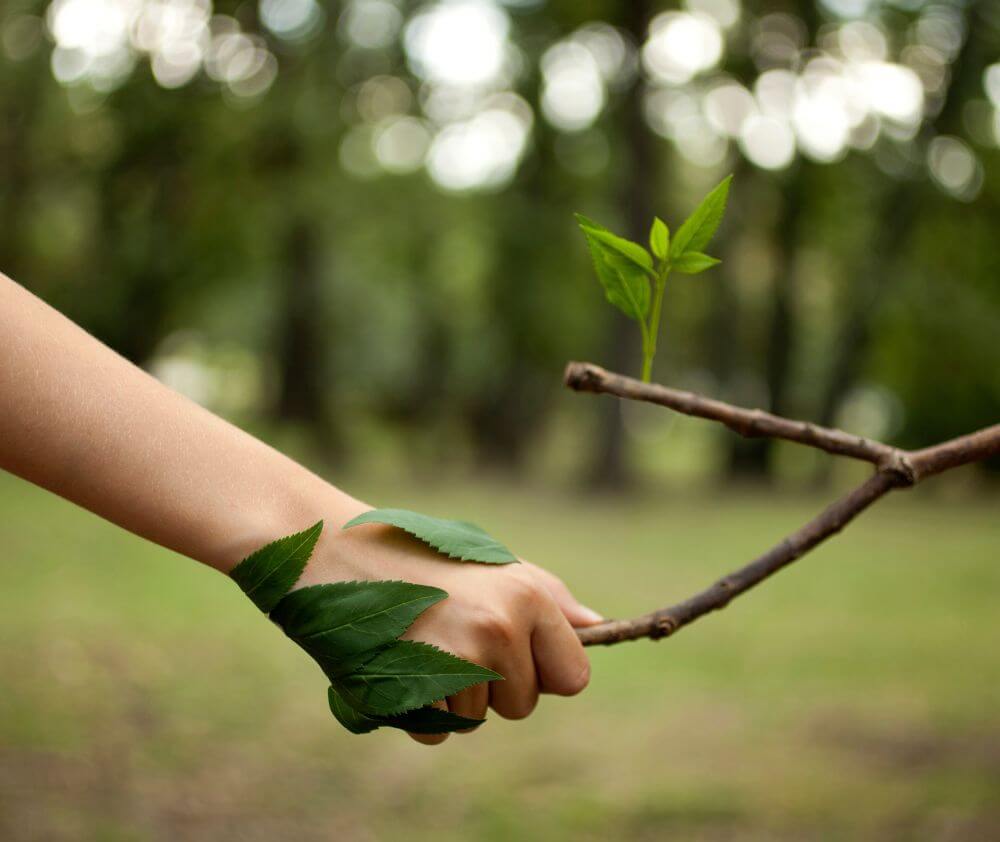
Nature offers a gentle reset. Step outside and let the landscape do what it’s always done: help us feel more like ourselves. 📷 Licensed from Adobe Stock
These are all reasons that explain why people would often feel calmer after a walk by the Eagle River or a hike near Vail. The Eagle Valley offers countless ways to experience the psychological benefits of nature. This spring, consider these simple ways to reconnect with the landscape and reap the backed-by-science benefits: take a slow walk along a local trail and notice the various sights, sounds, textures, and smells around you; spend time near water, whether it be fishing, rafting, or even just sitting beside the river; or simply try outdoor reflection in the nearest greenscape. These acts of reconnection can deepen our relationship with the landscapes around us while improving our physical and mental wellbeing.
Ecopsychology reminds us that connecting with nature is a part of being human. In a place like Eagle County, where the mountains are inseparable from daily life, that connection is one of our greatest resources. After all, as many ecopsychologists suggest, the more we love, care for, and connect with nature, the more likely we are to protect it for generations to come.
Abby Donato is a Naturalist at Walking Mountains who loves to use her passion for nature to strengthen the connections between people and the outdoors.
Sources:
https://graduate.lclark.edu/departments/counseling_psychology/ecopsychology/philosophy/
https://ies.bio/ecopsychology/what-is-ecopsychology/
https://e360.yale.edu/features/ecopsychology-how-immersion-in-nature-benefits-your-health
https://www.ebsco.com/research-starters/psychology/ecopsychology