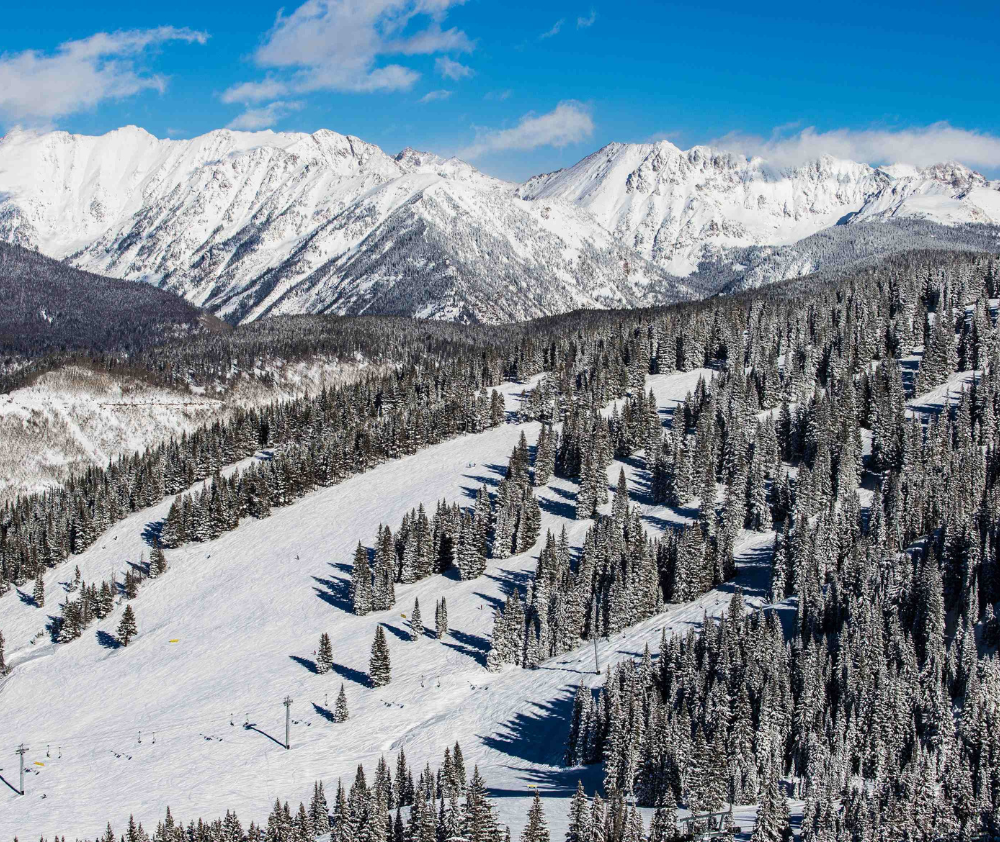
Have you ever wished you could control the weather? While it may sound like science fiction, weather modification is a real and continuously studied field. As extreme weather events become increasingly severe, questions are being asked about what can be done and what weather modification methods are already being used.
While most weather modification (small scale) or geoengineering methods (large scale) remain in the testing or hypothetical stages, one weather modification method has already become a reality in the Vail area: cloud seeding. Cloud seeding is a method used to enhance or initiate precipitation in suitable cloud systems. Silver iodide is sprayed into already formed clouds using a small aircraft or ground generator. When water molecules touch the silver iodide particles, they begin to freeze and grow into a snowflake. This technique has been a topic of debate since the 1970s, when Vail Resorts began cloud seeding at their four ski areas, Vail, Beaver Creek, Breckenridge, and Keystone to increase snowfall. Some residents support the practice, while others remain skeptical. So, what exactly is cloud seeding?
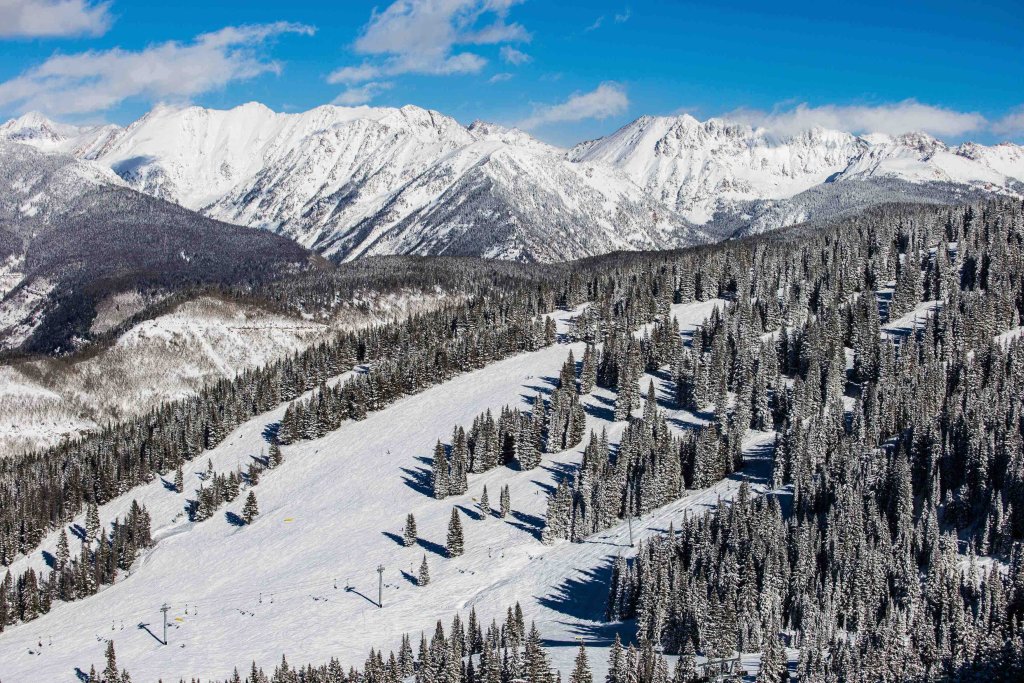
Vail resorts added 421 snow guns to increase snowpack in 2019. 📷 Licensed from Adobe Stock
Let’s start with a snowflake. For a natural snowflake to form, an aerosol, also called an ice-nucleating particle, is typically required. These aerosols include pollen, dust, and other airborne particles. Water droplets begin freezing off of these particles to create snowflakes. This is the most common way a snowflake is formed and it is called heterogeneous nucleation. When the snowflake is heavy enough, it falls to the ground. While some studies have found cloud seeding to have minimal impacts, others report that it can increase snowfall by 5 to 15 percent under favorable conditions. Vail recently stopped seeding during the 2020 pandemic due to budget concerns.
You may be asking, why silver iodide? The reason silver iodide is used is due to its crystalline structure. This structure resembles naturally occurring ice which acts as an ice-nucleating particle. In addition, this compound cannot dissolve in water, so the silver ions will not as easily release so toxicity levels are mitigated.
Does cloud seeding harm the environment? Silver iodide is classified by the EPA as a toxic pollutant under the Clean Water Act because it can be harmful in high concentrations. UC Berkeley also lists it as a chemical that can pollute soil and water if not handled properly. While that may sound concerning, silver iodide is considered safe at the low levels used for weather modification according to the EPA. Chlorine is another example of a chemical that is harmful when concentrated, but safe at low levels. In addition, it has been found that silver concentrations in lakes and streams are generally the same in cloud seeded and non-cloud seeded areas. Still, long-term environmental monitoring is recommended.
What about people, is it safe for humans? While some uncertainty remains, studies have not found any significant health risks from cloud seeding exposure. Silver iodide does need to be handled carefully in concentrated form, but the small amounts released into the atmosphere don’t appear to pose a danger.
Weather modification has shifted from science fiction to reality. While its future holds promise to combat issues like drought and water scarcity around the world, it also raises valid concerns about potential impacts on human health and the environment if it were to become more widespread. Cloud seeding is a powerful tool, but it should be approached with cautious optimism and careful oversight to prevent any unintended consequences. How far are we willing to go when it comes to weather modification and other geoengineering technologies? Only time will tell.
Tessa Magner is a naturalist at Walking Mountains. Her job is to educate the public about the importance of nature while inspiring curiosity and stewardship. She leads hikes, guided walks, and early childhood programs. Tessa’s favorite winter activity is ice skating and drinking cocoa.