

It is common knowledge that the average adult human body is roughly sixty percent water, and we need it to survive. However, there are other necessary substances we need to function properly, namely vitamins and minerals. Vitamins are organic compounds which the body either makes or consumes through food, while minerals are inorganic substances we are unable to produce on our own, and are found encased in rock. Minerals deserve much more credit than we give them, and while we are mostly made of water, about four percent of us is made of rocks.
Minerals are substances found in nature which exhibit an ordered structure, crystalline makeup, and unique chemical composition. Substances such as clay and sandstone are types of soil and rock that can take up layers of the earth, rather than deposits of a single unique substance. According to the Colorado Geological Survey, minerals historically harvested in Colorado include gold (famously starting the Pikes Peak Gold Rush in 1858), silver, lead, zinc, and molybdenum. Oftentimes we think of minerals in their metal forms, though they begin as ore deposits in the earth. Given their difficult-to-reach location, it begs the question: how do minerals reach our bodies? The answer lies in the soil, and the water that flows through it.
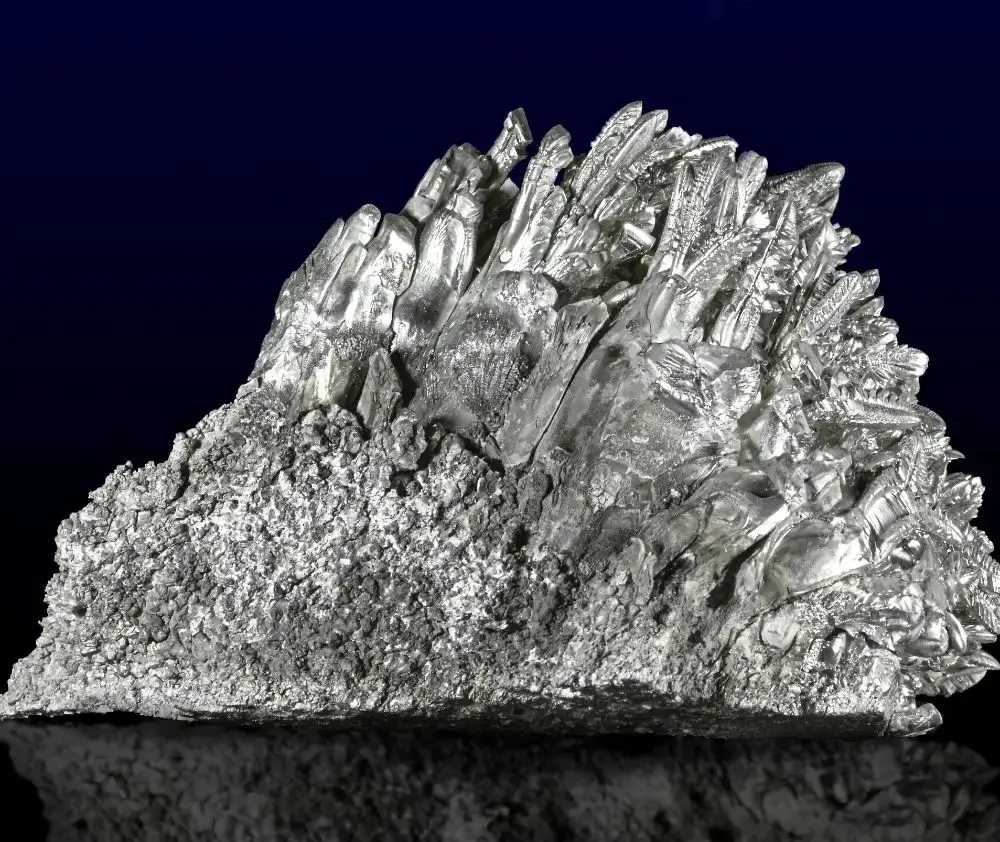
Magnesium (magnesite) crystals. 📷 Licensed from Adobe Stock.
When plants grow, their roots systems take in more than just water. When water uptake happens, nutrients in the soil are drawn to the roots by the root systems. When this occurs, atoms of degraded minerals in the soil can slowly enter the roots through a process known as active transport (Che, Yamadji, Ma, 2018). From here, the minerals may be brought to the leaves through the transport of water via the stem, where they can be utilized in processes such as energy production and cell replication.
Minerals serve similar functions in humans as they do in plants, and we as humans get most of our minerals by consuming them in our food. This includes plants such as vegetables and fruits directly, as well as animal products. There are two types of minerals that we consume, categorized by the quantity we need in our diet. Macrominerals are those we require a relatively large amount of in our diet: calcium, phosphorus, magnesium, sodium, potassium, chloride, and sulfur. Additionally there are trace minerals, required in smaller amounts yet still necessary for bodily functions. These include: iron, manganese, copper, iodine, zinc, cobalt, fluoride, selenium, and molybdenum.
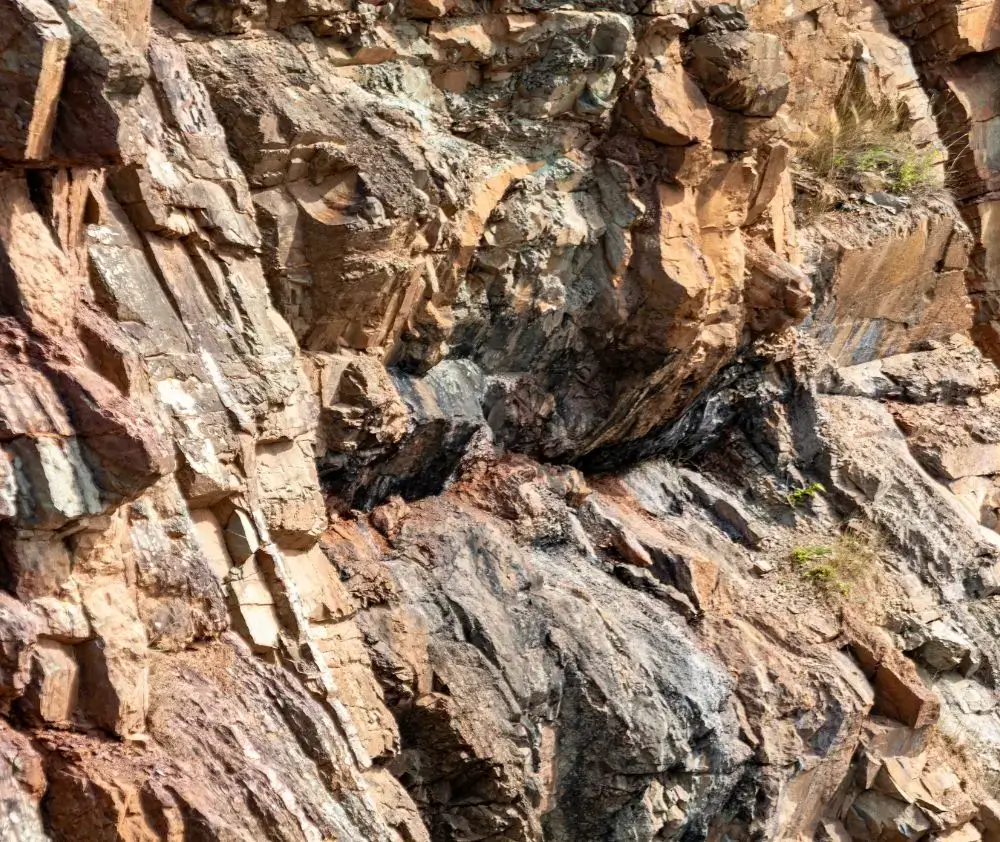
Mineral formations on cliffside. 📷 Licensed from Adobe Stock.
You may not realize how many different minerals you consume on a daily basis, or how important they are to your health. Calcium gets all the bone health credit, but phosphorus is as important in the formation of bone structure, as bone is hardened by the formation of calcium phosphate crystals. Magnesium is not just a useful sleep aid, for it is integral to hundreds of bodily processes including muscle contraction, nerve function, and brain health. The uses do not stop at the macrominerals. The trace mineral Copper assists enzymes in the production of
ATP, the main energy molecule generated by cells. It also is applied with iron in the formation of hemoglobin, a protein which transports oxygen from the lungs to your muscles. Molybdenum is one of Colorado’s most produced minerals (USGS, 2017), and is crucial to the expulsion of toxins. It converts dangerous sulfites into sulfates the stomach can digest properly.
You are not just made of rocks, you are fueled by rocks. So the next time you find yourself in awe of the cascading rock layers of I-70, remember you are a lot more similar to it than you think.
Noah Perkovich is a Naturalist at Walking Mountains who struggles to pronounce molybdenum.
Che, J., Yamaji, N. and Ma, J.F. (2018), Efficient and flexible uptake system for mineral elements in plants. New Phytol, 219: 513-517.
https://nph.onlinelibrary.wiley.com/doi/10.1111/nph.15140
https://coloradogeologicalsurvey.org/minerals/
https://medlineplus.gov/minerals.html
https://myhealth.alberta.ca/Health/pages/conditions.aspx?Hwid=ta3912
https://www.usgs.gov/centers/national-minerals-information-center/mineral-industry-colorado
https://greencover.com/blogs/articles/how-do-plants-obtain-nutrients