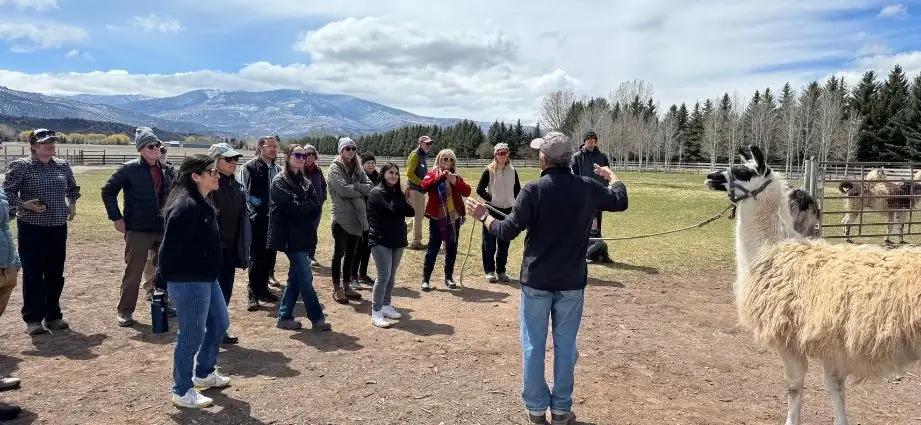

The sun is shining, the birds are chirping, and it’s starting to feel like summer. Like many people who live in or visit Eagle County, you may be itching to start exploring the mountains again. And just like you and me, the wildlife is also excited to get back to their warm weather routines.
As you start heading to hiking trails and recreational areas you may notice temporary trail closure signs popping up. You might think, “What is this? I’ll just ignore it.” It may seem frustrating for you to have to change your plan, but it’s for good reason. Many of these closure areas are critical habitat for wildlife who are on the move in spring, either migrating to where food is or moving to safe areas to have their babies, on top of recovering from a hard winter. Human presence, even when unintentional, can disrupt this delicate time for wildlife. They just had an energetically costly winter and this is a critical survival period for them. People can cause stress on these animals, particularly big game like elk, which can make them vulnerable to weight loss while the food quality is still low.
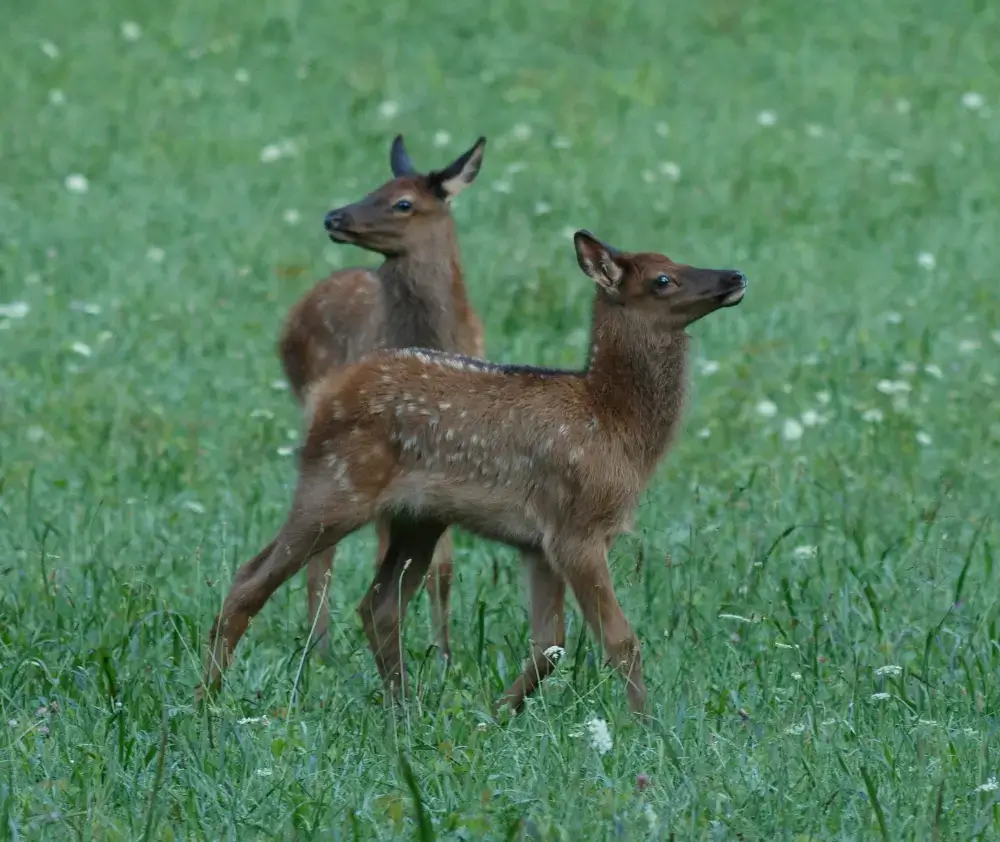
Two elk calves playing as they learn to use their legs. 📷 Licensed from Adobe Stock
Spring is also an important breeding time for animals, and elk calving is a big factor in trail closures in the valley. Mothers are sensitive to their environment and survival increases when their habitats are free of disturbances. They can feel threatened when humans creep up on their calving areas, and this pressure may push elk into less suitable habitat, further reducing their access to food and increasing stress. Calving season for elk typically lasts from April through June. During this time, female elk seek out peaceful spots to give birth. Newborn calves rely on stillness and camouflage to avoid predators, and any disturbance can put them at serious risk. In spring, the mountain weather can be extremely variable, forcing wildlife to forage at lower elevations where weather is a little more temperate.
To minimize these impacts, land managers implement seasonal trail closures in areas known to be susceptible. An easy solution to avoid last minute plan changes is to simply look up your desired trail before you go! The Vail Valley Mountain Trails Alliance is a great resource where you can get information on trail closures. This is especially important this year, as unusually warm weather is bringing people out earlier than normal. However, just because humans are ahead of schedule does not mean wildlife is.
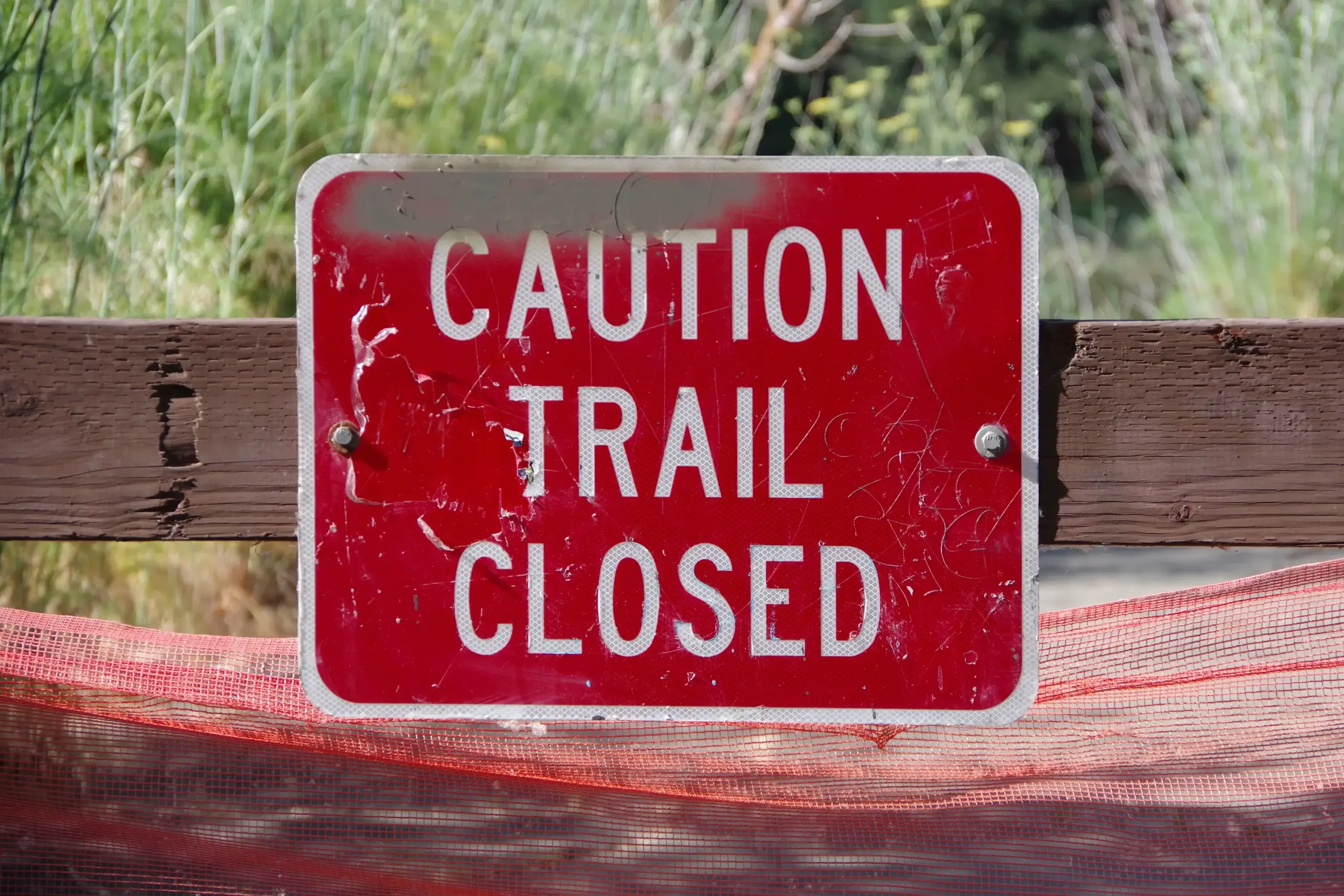
A trail closure sign. 📷 Licensed from Adobe Stock
In addition to honoring closures, there are other steps you can take to coexist with wildlife during sensitive times. Keeping dogs on a leash at all times prevents your dog from meeting moose and elk, and maintaining a safe distance prevents unwanted encounters with wildlife. A good rule of thumb is… the thumb rule. If you hold up your thumb and put it over the animal and you can still see it, you are too close, which is usually 25-50 yards.
Spring in the Rockies is a season of renewal, not just for us, but for the wildlife that call these mountains home. By giving wildlife the space they need to recover from winter, we help ensure that future generations can continue to thrive. So as you lace up your hiking boots and head out into the sunshine, remember that sometimes the best way to enjoy nature is to step back and let it be.
Maya Curlej is a naturalist at Walking Mountains. She loves a good hike and wildlife sighting more than anyone, but makes sure not to mess with nature and do her part to respect our natural world.