

Oftentimes, people think of science and art as disconnected fields, but there’s actually an entire field of art dedicated to science and science communication. Even if you have never heard of scientific illustration before, you have seen it countless times. Think about the science textbooks you used in school, the nature guides you may use while hiking, a poster hanging at your doctor’s office, or the signs in a museum exhibit you visited (such as at Walking Mountains!) All of these are examples that often use scientific illustration!
Scientific illustration is the use of technical illustration to visually communicate scientific subjects or topics. Scientific illustration is a huge and diverse field of art that can include anything from detailed illustrations for identifying species found in field guides, diagrams used to explain surgical procedures found in medical journals, visual aids in injury court cases, and so much more. Visual aids are important tools in communication and education. Text can be made much more digestible and informative by simply adding an image alongside it.
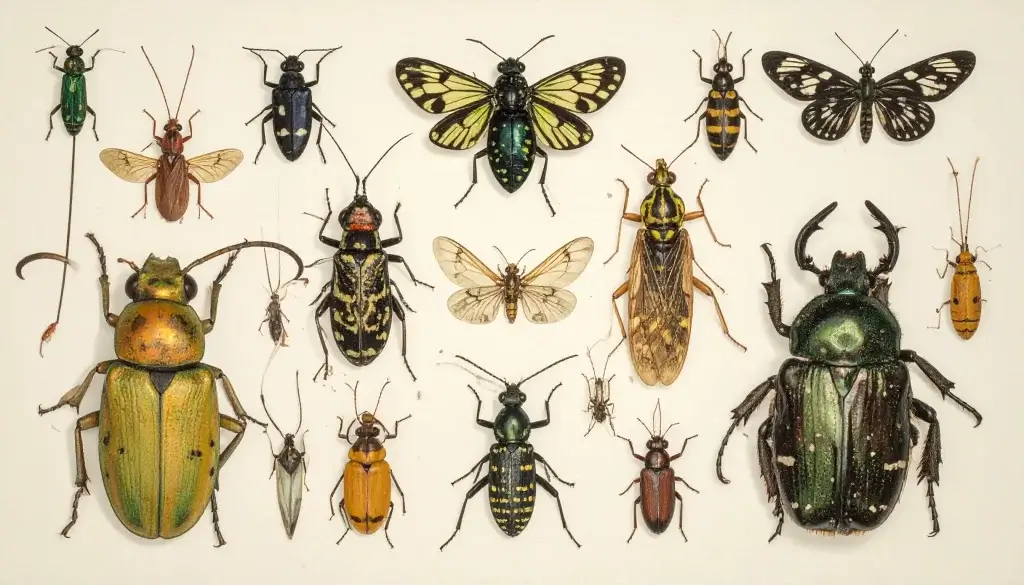
Capturing nature’s micro-details through the lens of scientific art. 📷 Licensed from Adobe Stock.
Historically, illustration was the primary way new discoveries were shared before the age of photography. Many people are familiar with some of these historical uses such as Leonardo Da Vinci’s engineering drawings or Charles Darwin’s specimen studies. However, even in the modern world where we have photography and video, illustration still has an important place in science. While photos work in many scenarios, an illustration can communicate ideas a photo sometimes cannot; such as the lifecycle of a plant, what is happening inside an egg, far distant planets, or long extinct species. Consider the fact that cameras didn’t exist in the prehistoric age, so every image of a dinosaur you’ve seen has been drawn by someone!
In many situations information needs to be made appropriate for a specific audience, and illustration is a translation tool. When informing a nervous patient about an upcoming surgery procedure, a cleaned up illustration works better than actual anatomical photos. On the other hand, surgeons need technical illustrations that provide a level of clarity and detail a photo cannot always provide. One of the ways most people have encountered scientific illustrations is in their textbooks from school. When teaching children about complex scientific topics, at age appropriate levels, illustration can provide visual aids for abstract and imperceptible concepts. For example, teaching a young student what an atom is can be made much easier and more understandable when paired with a clear illustration.

Bridging science and art through native wildlife and plant studies. 🎨 Grayson Cooper @mossymorels
Illustration can also be made more compelling than a photo. Colors can be portrayed with more depth, composition can be creatively arranged at will, and backgrounds can be made clearer or removed altogether. Nowadays, it’s even common to see scientific illustrations adorning walls and clothes, since they can be not only educational but also aesthetically pleasing. For all these reasons, art is a great tool to inspire curiosity and public engagement, especially to populations who are not scientists. You have likely not noticed the countless ways scientific illustration has informed you throughout your life. Next time you crack open a field guide or visit a doctors office, I encourage you to take notice of these works of art and how they help you understand the world.
Grayson Cooper is a naturalist at Walking Mountains with a degree in illustration. He always has a travel sketchbook and watercolor palette in his hiking pack, and especially loves painting fish and bugs.