
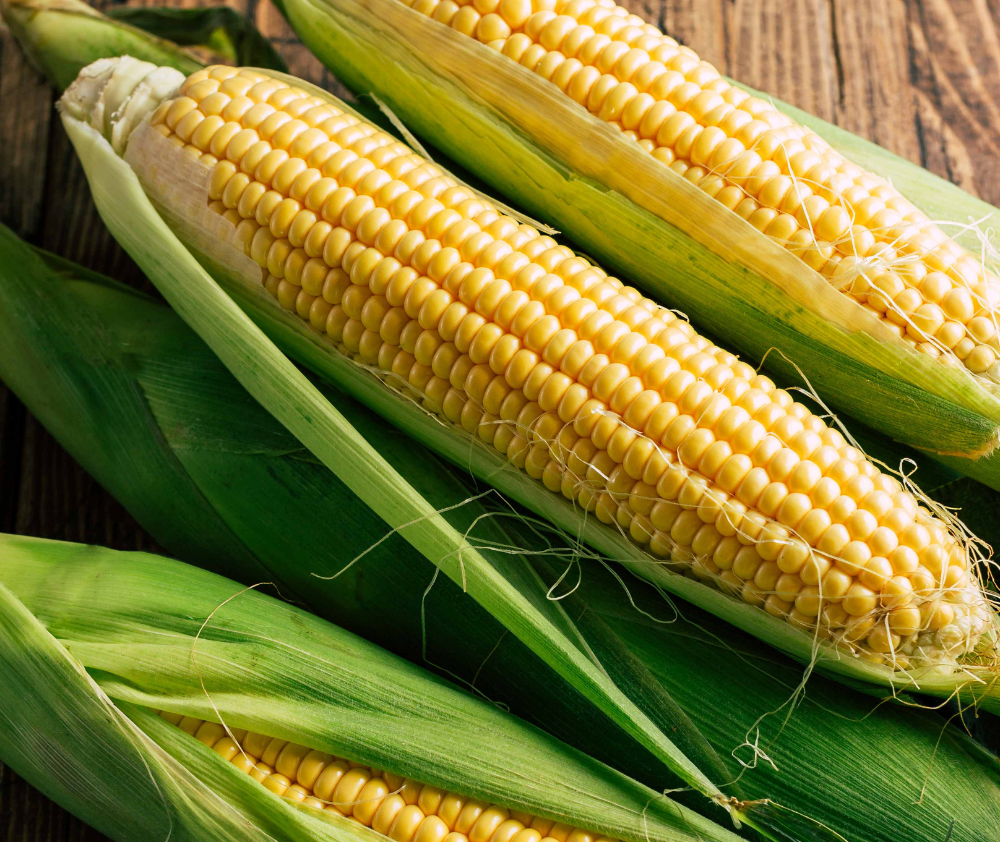
It is hard to imagine a world without corn. It sweetens our sodas; fuels our cars; fattens our livestock; and forms the core of countless meals. Whether you are biting into a buttery cob at a summer barbecue or sipping high-fructose corn syrup in your favorite energy drink, this golden crop is everywhere. Corn was not always such a big deal though. In reality, the crop came from an almost unrecognizable origin. Let’s travel back a few thousand years to help understand how corn got where it is today.
Corn’s story begins in Mesoamerica, with evidence tracking back almost 10,000 years. Back then, corn, or maize, started out as something that looked a little more like a weed than a global food staple. Corn’s wild ancestor is called teosinte, a gangly grass with tiny hard kernels. You could not pop them, grill them, or make them into tortillas. The Indigenous farmers of ancient Mexico saw potential where others saw weeds and pulled off one of the most epic crop glow-ups in human history.
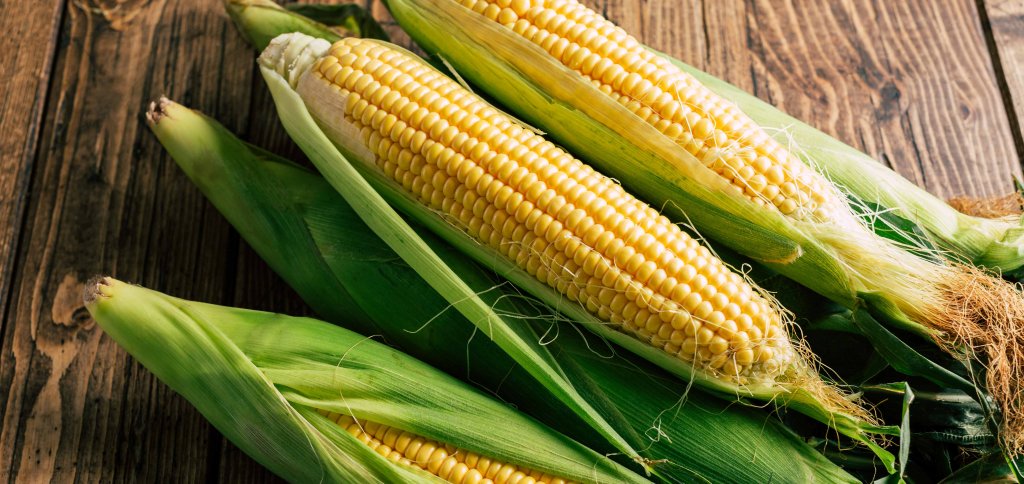
More corn is grown each year than any other grain, feeding people, livestock, and even powering fuel, textiles, and bioplastics. 📷 Licensed from Adobe Stock
The dramatic evolution of corn was no accident. It was a generational effort made by the peoples of ancient Mexico nearly 10,000 years ago. For thousands of years, they deliberately chose seeds from the wild grass ancestor of corn (teosinte) that were softer and more numerous kernels that stayed attached to a central stalk instead of scattering onto the ground. These small incremental choices added up into a new plant with desirable characteristics. By around 5,000 years ago, this once-wild grass had changed into something recognizable to modern farmers and consumers: maize. A crop capable of feeding not just families, but entire civilizations.
With corn a major food source, the ancient peoples of Mexico and Central America built cities. They developed calendars, complex religious systems, and powerful empires. Corn became so deeply woven into their culture that it took on sacred meaning. For thousands of years, maize was a treasure exclusive to the Americas, but the crop finally made its global leap with the arrival of European colonists in the 1500s. After over 8,000 years of isolation in the Americas, it took only around 200 years for Spanish colonists to introduce corn to the rest of the world through trade routes. Corn’s high caloric value, short growing season, and ability to thrive in diverse climates made it one of the most successful food transfers in global history.
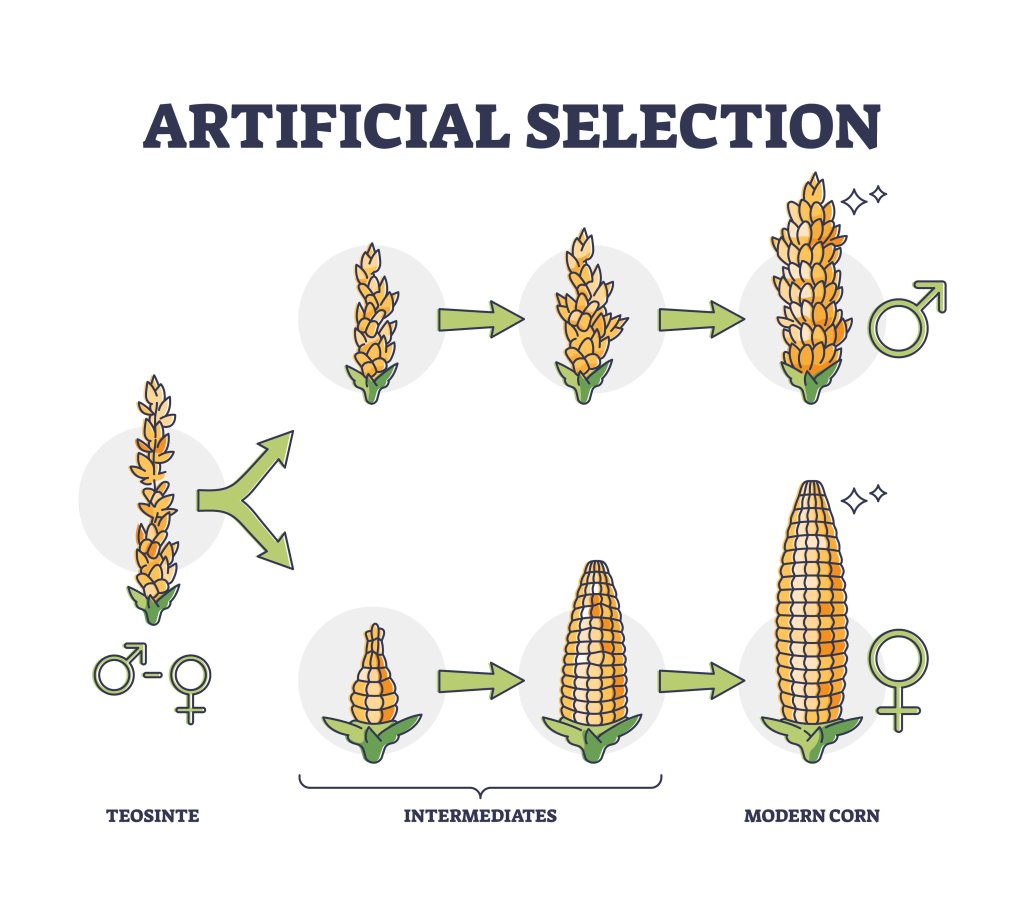
For thousands of years, people shaped teosinte, the wild ancestor of corn, into the plentiful, familiar crop we know today. 📷 Licensed from Adobe Stock
As agriculture industrialized, corn became more than a food source. In the late 1800s, it found new purpose as livestock feed in booming meatpacking cities like Chicago and Omaha. Cheap, calorie-dense and easy to store, corn became the fuel behind factory farming. To further improve yields in the 20th century, scientists stepped in with new corn species hybrids. By the 1990s, U.S. farmers were growing four times as much corn per acre as they had just 60 years earlier. And then corn made its boldest move yet, from food to fuel. In response to energy crises, scientists began converting corn into ethanol, a biofuel that could be mixed with gasoline. At first it was a novelty, but when the U.S. government passed the Renewable Fuel Standard in the early 2000s, corn ethanol went mainstream.
Today, corn is everything. It’s breakfast, lunch, and dinner. It’s chips, soda, candy, meat, fuel, glue, plastic, and industrial starch. It’s in your food, your fridge, your garage, and probably your bloodstream. It’s sacred to some, suspect to others, and indispensable to just about everyone.
This is an article written by Andrew Craig, who loves corn; optimally grilled, but certainly heavily buttered.