The mountains are covered in glistening snow, signaling the start of seasonal wildlife migration. As temperatures drop and food becomes scarce at higher elevations, animals begin their annual journey toward lower valleys and sunny, south-facing slopes in search of winter habitat. Along the way, they must navigate sprawling towns, cross busy highways, and avoid humans as they travel across thousands of acres.
To help protect Colorado’s incredible wildlife, Eagle County relies on several conservation strategies. Wildlife crossings along I-70, seasonal trail closures, and permanent habitat protection all help make winter migration a bit more manageable.
Interstate Integrations
Vail is surrounded by the White River National Forest and the Holy Cross and Eagle’s Nest wilderness areas. Yet I-70 cuts through this landscape, creating a major obstacle for animals moving between habitats.
Wildlife-vehicle collisions skyrocket in late fall as animals cross busy roads (Colorado State Patrol, 2025). Wildlife crossings provide routes over or under highways, connecting fragmented habitats while reducing collision risks.
Between East Vail and Copper Mountain, six wildlife crossings currently help bridge I-70. Five East Vail crossings connect to the eastbound lanes, while only one serves the westbound lanes. Without direct connections across both sides, animals still have difficulty traveling across the entire highway.
Plans to add three westbound crossings would improve navigation across I-70. Rocky Mountain Wild and the Denver Zoo are also involving citizen scientists to help monitor wildlife activity at crossing sites through the Colorado Corridors Project.
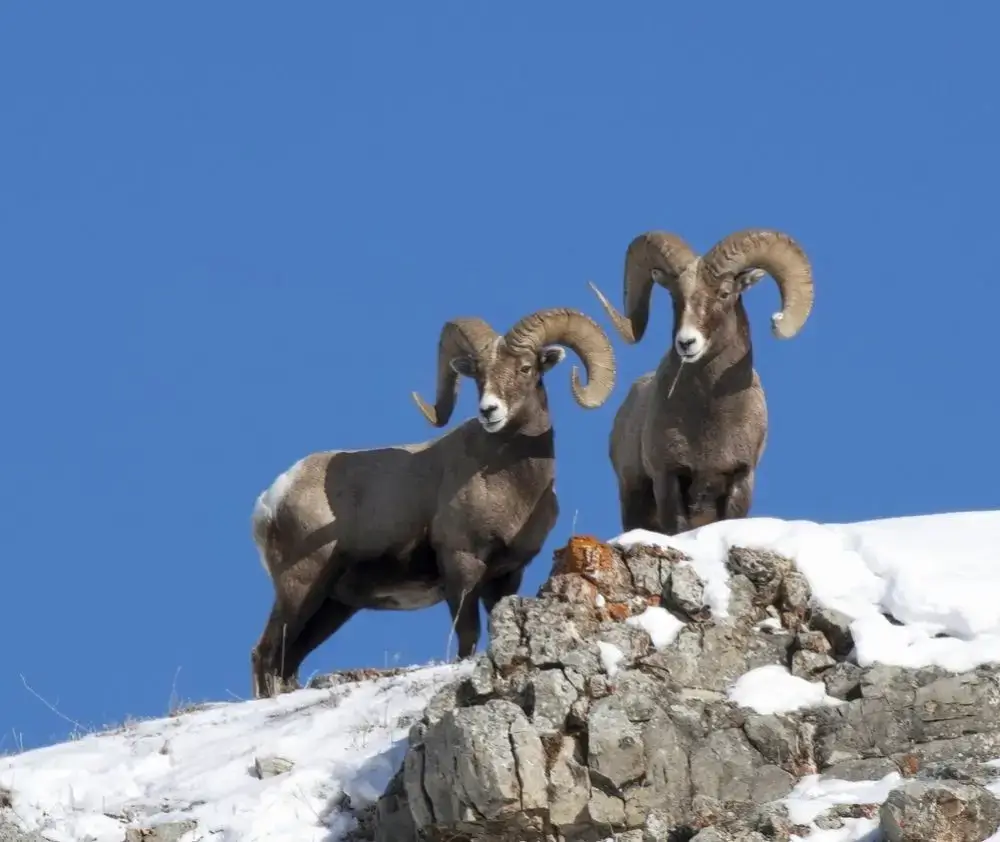
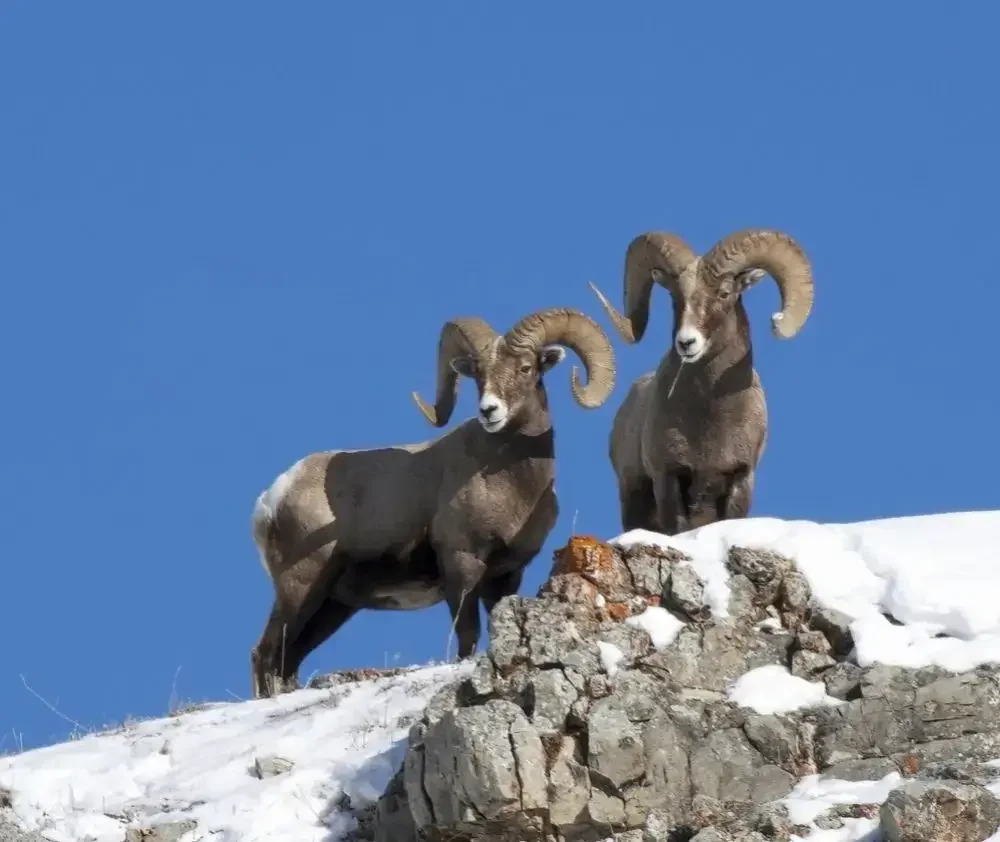
They can conquer the steepest mountain slopes with ease, yet Colorado’s bighorn sheep still depend on protected winter habitats to survive. 📷 Licensed from Adobe Stock.
Sharing the Trails
Migrating wildlife often follow the same routes year after year, sometimes overlapping with popular recreation areas. When people venture too close, it can increase stress and affect animals’ winter survival (Colorado Parks and Wildlife).
Human scent can be detected by mule deer and elk from up to ½ mile away, triggering flight responses that disrupt foraging behavior and burn necessary energy fleeing (Clark County). With limited winter vegetation available, conserving fat reserves is essential for surviving until the first bloom of spring.
To reduce disturbance during critical migration periods, land managers throughout Eagle County use seasonal trail closures based on Colorado Parks and Wildlife recommendations (Saeger, 2026).
Trail closures can be frustrating in a recreation-focused community, but respecting these restrictions is a simple way to help wildlife conserve energy during the most challenging months of the year.
Critical Land Conservation
Colorado’s state mammal, the bighorn sheep, navigates the steep mountain slope with ease, yet still depends on specific habitats to survive winter. As development expands, protecting these special areas becomes increasingly important.
Every fall, thousands of bighorn sheep spread throughout Colorado travel to a small south-facing slope in the Gore Range that makes for a favorable winter habitat. In September 2025, a partnership helped secure permanent protection for 146 acres near East Vail (Landeros, 2026). This protected area is important for the Gore Range bighorn sheep herd, one of the few herds that has avoided the need for supplemental or relocation events.
The four protected parcels also provide habitat for elk, mule deer, mountain lions, black bears, lynx, golden eagles, and many birds and small mammals (Eagle Valley Land Trust). Safeguarding this land from future development helps preserve habitat that wildlife needs to survive and move through the region.
Preserving Eagle County Beauty
Eagle County’s majestic wildlife and diverse landscapes make this region unique. Initiatives like these allow us to enjoy the natural world and appreciate the species that live here. Residents and visitors can help protect them by volunteering with the Colorado Corridors Project, respecting seasonal trail closures, and observing migrating animals from a distance.
Jada is a Naturalist at Walking Mountains that has a passion for protecting wildlife.
Sources
https://evlt.org/vail-bighorn-preserve-bighorn-sheep-ecology-and-habitat/
When the Gates Go Up: Seasonal Wildlife Closures
https://cpw.state.co.us/wildlife-migration-and-movement
Colorado Corridors Project
Vail Pass
https://www.clarkcountynv.gov/government/departments/environment_and_sustainability/mule-deer
https://csp.colorado.gov/press-release/colorado-wildlife-is-on-the-move-and-crossing-roadways