There’s no denying the special connection Coloradans have with winter. From the slopes of Vail and Beaver Creek to the quiet beauty of backcountry trails, the mountains are central to life here. However, the increase in greenhouse gases globally continues to contribute to climate change, impacting snowpack, essential ecosystems, and winter recreation. According to the EPA, the future of Colorado’s winters are becoming increasingly uncertain. The good news is that skiers and riders can make a difference. By adopting more sustainable habits both on and off the mountain we can help protect the alpine environments we cherish and ensure that future generations can enjoy the same snowy experiences we do today.
Be Sustainable With Your Gear
One of the best ways to reduce your skiing footprint is to shop secondhand. Buying used skis, boots, jackets, or base layers keeps gear out of landfills and reduces the demand for new resources. Facebook Marketplace and local thrift shops in the valley like Thrifty, Transition Sports, and others are filled with amazing options for all of your skiing needs. If you do need something new, consider supporting brands that prioritize sustainability. Companies like Picture Organic, Patagonia, and WNDR Alpine use recycled materials, plant-based plastics, and responsible production practices to lessen their environmental impact. If you are a seasoned skier, try to get the most longevity out of your gear before opting for a new kit. Many ski brands offer free repairs, or patch that puffy jacket yourself before considering getting a new one. Not only will this save you money in the pricey world of skiing, but also it reduces your carbon footprint and the global climate issue of overconsumption.
Leave the Car Behind
According to the Eagle County GHG report from 2023, transportation emissions have increased by 10% since 2018. Between individual cars driving up I-70 and in-town traffic during the busy mountain seasons, the environmental toll adds up quickly. If you live locally and are able to take the bus, Eagle County’s CORE Transit System offers mostly free, but overall affordable and effective transportation to and from resorts with various stop locations throughout the county. The Bustang is another affordable transportation option that runs along I-70, bringing you straight to mountain towns from farther areas like Denver or Grand Junction. Once you reach the mountains, most resorts have shuttles that transport you to different locations throughout the resort. Taking the bus helps reduce emissions, eases congestion, and saves on parking expenses. If you are visiting from a farther distance that isn’t easily accessible by bus, team up with friends and carpool. This can extend the fun of a ski day and save on parking. Every empty seat is a missed opportunity to lower your impact.
Embrace Human-powered Turns
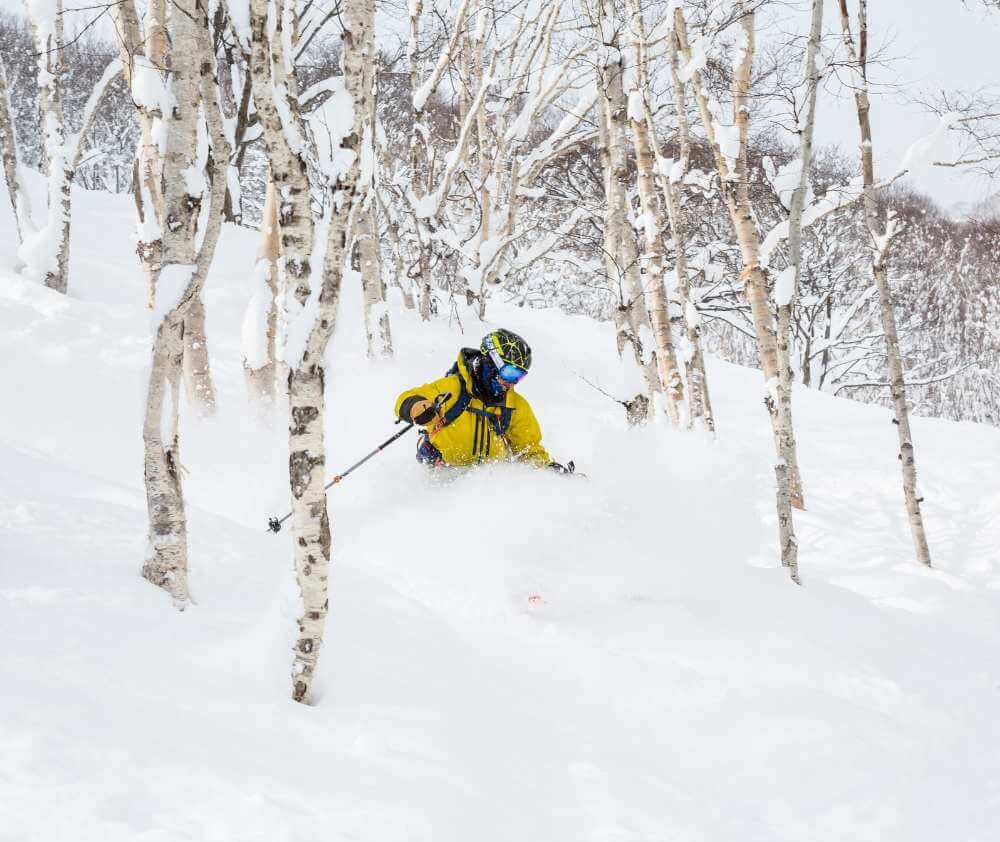
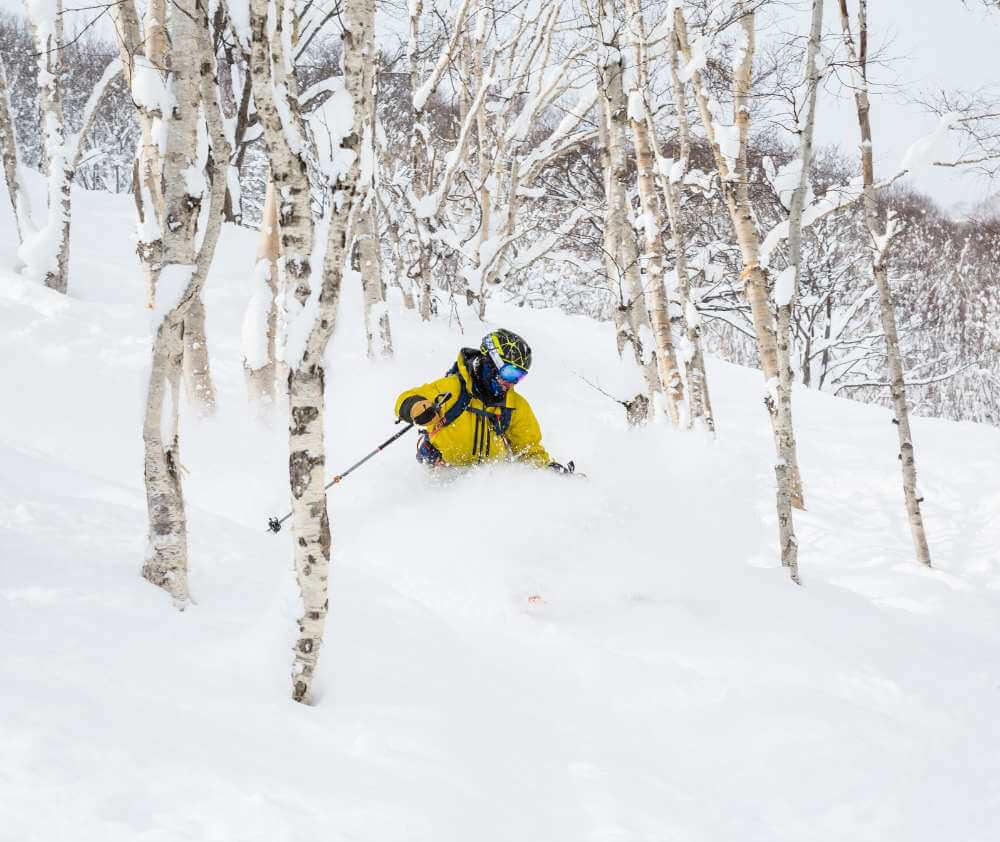
Chairlifts may be convenient, but they rely on significant energy, often from fossil fuels. If you’re seeking a new way to experience the mountains and cut your emissions, try uphill skiing or backcountry touring. Skinning up the mountains is a great way to connect with nature and get a good workout in with little to no environmental cost. Luckily, Colorado is filled with mountains that have backcountry access, just be sure to educate yourself on avalanche safety and carry the proper gear when heading out into unmanaged terrain. If you want to get a few turns in before a day of work, many resorts such as Vail and Beaver Creek allow you to skin up their groomed terrain generally before the lifts open. This is a good alternative that gets you on the hill before the rest of the crowd and reduces your skiing carbon footprint, plus you are guaranteed first tracks.
📷 Licensed from Adobe Stock
Support Snow Focused Advocacy
Fortunately, many passionate individuals and organizations within the ski industry are already taking charge on climate action. Groups like Protect Our Winters (POW) are working to mobilize the outdoor community and advocate for strong environmental policies at the national level. Closer to home, you can engage directly with the Climate Action Collaborative (CAC) for the Eagle County Community – a powerful coalition of local governments, businesses, schools, nonprofits, and special districts committed to implementing Eagle County’s Climate Action Plan. The CAC has set bold targets to reduce greenhouse gas emissions by 50% by 2030 and 80% by 2050. You can support organizations like these by: Attending community events, volunteering, donating as well as simply spreading awareness will make an impact.
Leave No Trace
A simple way to cut down on waste while skiing is to bring your own food and a reusable water bottle. Packing a lunch not only saves money compared to resort dining, but also avoids single-use plastics. Most lodges have water refill stations, so carrying a reusable bottle or hydration pack is an easy swap that keeps plastic bottles out of the landfills. By planning ahead and reducing packaging, you leave less waste behind and lighten your environmental impact on the mountain.
Being a sustainable skier isn’t about being perfect; it’s about being intentional. Every small effort becomes a powerful force for change. While skiing is a big part of life here in Colorado, it also depends on healthy ecosystems and a stable climate. The good news is that small choices like how we travel, what we buy, and how we support local efforts can make a big difference. By being more mindful, we help protect the mountains that give us so much joy, ensuring future generations can enjoy them too.
Lizzie Vatis is a Sustainability Intern at Walking Mountains
Sources
https://hub.walkingmountains.org/the-climate-action-collaborative-for-eagle-county
https://protectourwinters.org/news/campaigns/
https://hub.walkingmountains.org/hubfs/2023%20Eagle%20County%20GHG%20Inventory.pdf?hsLang=en
https://www.patagonia.com/our-footprint/
https://www.picture-organic-clothing.com/en_US/our-commitments