



Eagle County
Energy Efficiency Programs
Want to save money, stay warm in the winter, and reduce your environmental impact? The Energy and Buildings team at Walking Mountains Science Center is here to help. We’ll guide you through available energy-efficient programs, home upgrades, and local rebates in Eagle County to help you make smart, sustainable choices for your home and wallet.
If you are new to us, reccommend contacting one of our amazing Energy Coaches. They are here to help you every step of the way.
Residential Energy Efficiency Programs
Looking to lower your utility bills and learn more about energy efficiency in your home? We can help you implement a home efficiency program.
Commercial Energy Efficiency Programs
Schedule a walkthrough to decide how best to reduce your business energy footprint and reduce utility bills. Put our energy-efficient programs to work.
ReEnergize Eagle County & Income Qualified Programs
We offer energy efficiency support for income-qualified households. ReEnergize Eagle County covers home upgrades and assessments up to $7,500.
Energy Efficiency Rebates & Incentives
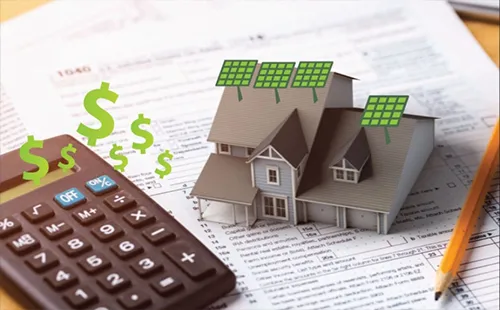
Explore available rebates for solar, electrification, safety, weatherization, and more. Check tax credit info and contact an Energy Coach with questions.
Understanding Radon in Homes
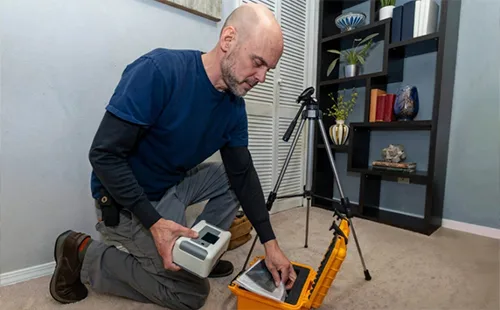
Radon is the leading cause of lung cancer in non-smokers and can build up in enclosed spaces, especially in winter. Learn how to protect your family.
Heat Pump Webinars
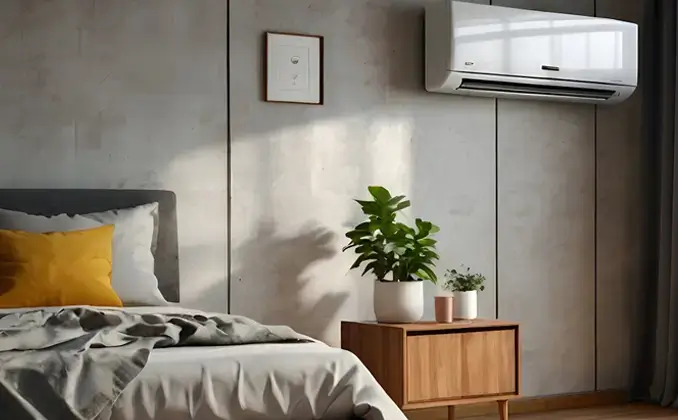
Would you like to learn more about Heat Pumps? In collaboration with our sponsors, Walking Mountains offers many webinars for residents and regional contractors about heat pumps.
Community Partners
Energy Efficiency Frequently Asked Questions
Electrification is the transition from fossil-fuel-powered systems to electric alternatives, enabling cleaner, more efficient, and renewable-powered energy use.
Some examples of electrification in your home are:
- Electric vehicles (EVs) replacing gasoline/diesel cars
- Heat pumps replacing natural-gas or propane furnaces
- Induction stoves replacing gas stoves
- Electric water heaters replacing gas water heaters
- Electric landscaping equipment replacing gas-powered tools
The goal is to reduce carbon emissions, improve air quality, and increase efficiency.
Electrification is a major strategy for addressing climate change because:
- Electric technologies are more efficient than combustion-based ones (heat pumps, for example, can be 3–4× more efficient than gas furnaces).
- Renewable energy is increasingly available and can power these technologies with near-zero emissions.
- It reduces reliance on fossil fuels, which are finite and polluting.
- Buildings and transportation—two of the largest emissions sources—become cleaner when they switch to electric systems.
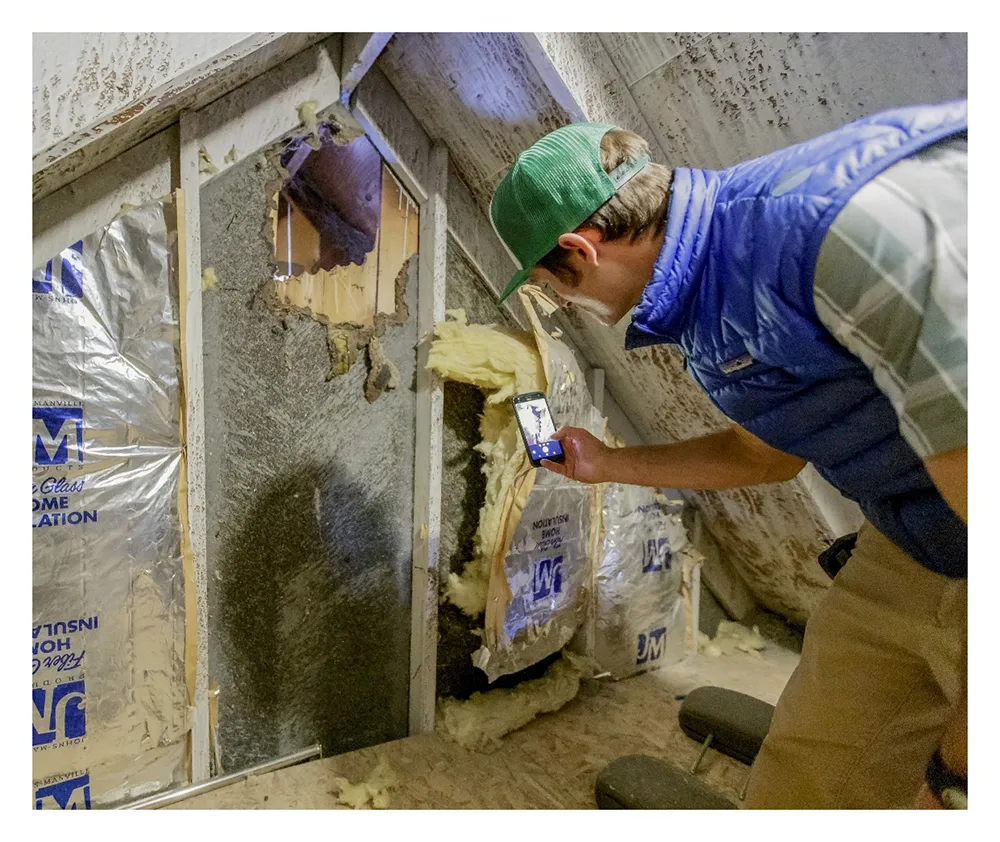
The building envelope is the exterior shell of a building—walls, roof, foundation, windows, doors, and insulation—that controls heat, air, and moisture flow. A strong envelope improves energy efficiency, comfort, and sustainability.
A well-designed building envelope:
- Reduces heat loss in winter and heat gain in summer
- Lowers energy use by reducing the need for heating and cooling
- Improves occupant comfort by reducing drafts, moisture issues, and temperature swings
- Supports healthy indoor air quality by controlling airflow and moisture
- Enhances durability by preventing condensation and material degradation
In many buildings, most wasted energy comes from air leaks, poor insulation, or inefficient windows—problems with the envelope.